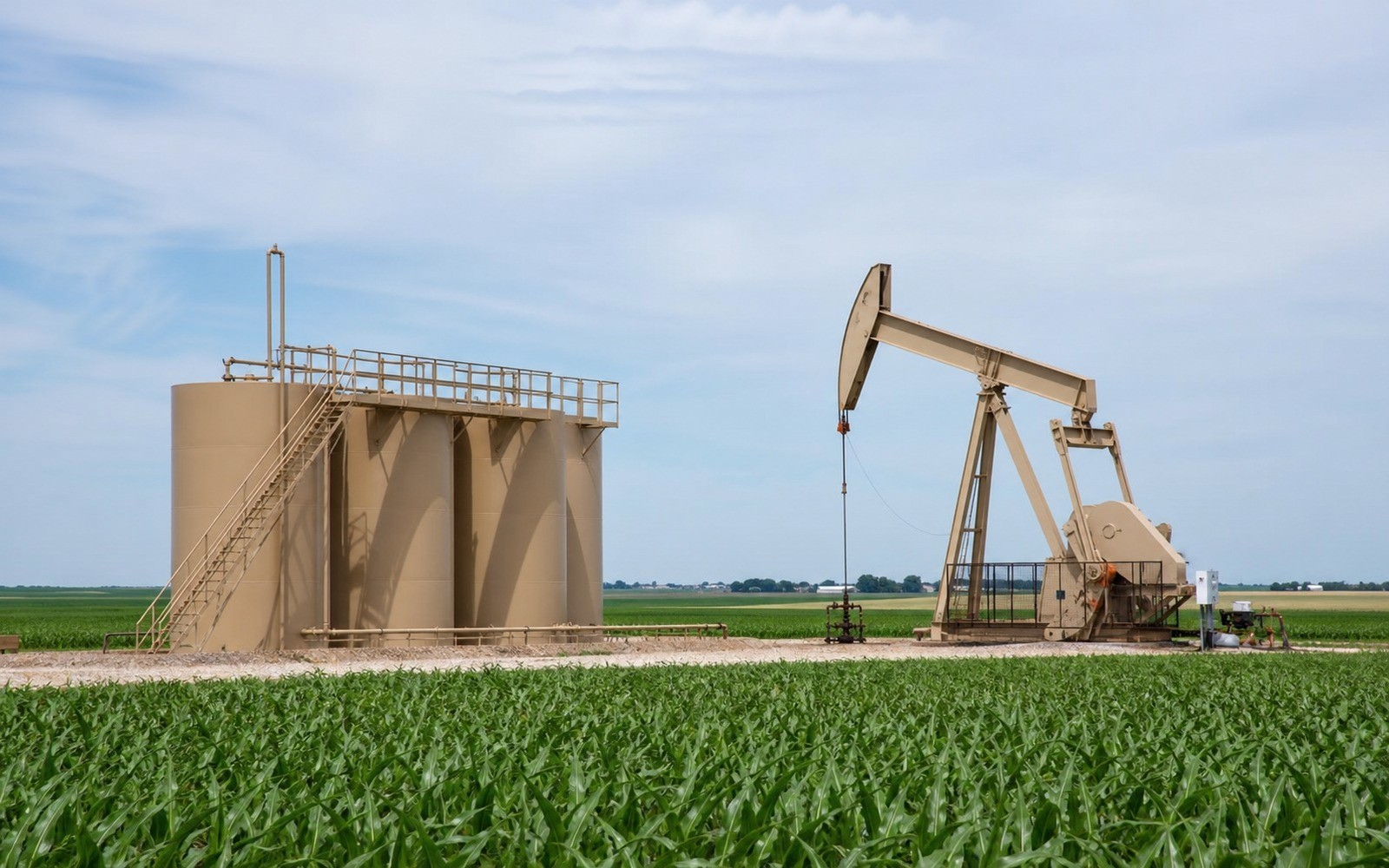
Anadarko Basin Mineral Rights

Nowhere have we seen more layers of drilling history stacked on a single quarter-section than in the Anadarko Basin, and untangling those layers is most of what a competent buyer is actually paying for.

The Anadarko Basin stretches across western Oklahoma and the Texas Panhandle, and it has been producing oil and gas since the 1920s out of a genuinely long list of formations — the Cleveland, Tonkawa, Marmaton, Mississippi Lime, Woodford, and Granite Wash among them, produced first from vertical wells and more recently, in pockets, from horizontal development. That's a very different animal from a play like the Delaware Basin where most of the history is recent and horizontal.

If your family has held Anadarko Basin minerals for two or three generations, there's a real chance the tract has already seen multiple rounds of drilling under different well names, different unit configurations, and different operators — and any buyer who hasn't run that full history is guessing.

The buyer pool here skews specialized

You won't see as many of the large publicly traded mineral aggregators chasing Anadarko Basin acreage as you will in the Permian, mostly because the play doesn't offer the same clean, stacked-pay horizontal story that's easy to model at scale. Instead the active buyers tend to be regional Oklahoma and Panhandle-based funds and family offices who specialize in exactly this kind of multi-formation, multi-decade history, plus a smaller number of national funds picking up producing PDP packages.

That specialization is actually good for owners — a buyer who knows the Anadarko's formation stack well enough to price it correctly will usually give you a more defensible number than a generalist trying to apply a Permian-style model to rock that doesn't behave the same way.

Title work is the real underwriting exercise

Because so much of the basin was drilled decades before modern spacing and pooling rules existed, buyers spend real time at the courthouse confirming your net revenue interest hasn't been clouded by old pooling orders, communitization agreements, or overlapping unit designations from different eras of drilling. A quote that comes back fast, without any of that title work, is almost always a placeholder number that gets renegotiated downward once someone actually looks at the record.

Owners here are also more likely than in newer plays to be dealing with heirship situations — mineral interests split across cousins and second cousins after decades of inheritance without a formal partition. That's not disqualifying for a sale, but it does add time, and a buyer who understands Oklahoma probate and title curative work will move faster than one encountering it for the first time.

Formation matters more than county line

A tract in the Cleveland or Tonkawa sands, mostly vertical and mostly mature, prices very differently than a tract with modern Woodford or Mississippi Lime horizontal potential nearby. Ask a buyer directly which formations they're valuing your interest against — if they can only speak in terms of your county, they haven't gotten into the actual geology under your specific section.

Where the value surprises owners

The most common surprise we see is a family assuming an old, mostly-depleted vertical well means their minerals are worthless, when in fact the same section still carries undeveloped horizontal Woodford or Mississippi Lime potential that a specialized buyer will pay for. The inverse also happens — flank acreage with no realistic horizontal target gets overvalued by an owner comparing notes with a cousin two counties over in genuinely different rock.

Questions Mineral Owners Ask Our Review Desk

Each answer helps identify the asset and its evidence before a forecast or purchase number is allowed to drive the file.

My family has owned this interest for three generations and it's split many ways — can it still be sold?

Yes, fractional heirship interests are common and sellable in the Anadarko Basin specifically because so much acreage has passed through inheritance over the decades. It typically takes longer to close because of the title curative work, but it's a routine situation for buyers who specialize in this basin.

Does an old, low-producing vertical well mean my minerals aren't worth much?

Not necessarily. The vertical well tells you about one shallow formation's history, but the same acreage may still carry undeveloped horizontal potential in the Woodford, Mississippi Lime, or other deeper zones that a buyer prices separately from the old well's current output.

Why do offers vary so much between buyers in this basin?

Because the Anadarko's multi-formation, multi-decade history takes real work to untangle, and not every buyer does that work equally. A buyer who's run your full well history and title chain will usually land on a more defensible number than one working off a fast county-average quote.

Is the Anadarko Basin still seeing new drilling, or is it mostly legacy production now?

Both, depending on location. Some corridors still see active horizontal development, particularly in the SCOOP and STACK overlap areas to the south, while other parts of the basin are largely mature legacy production. Where your specific tract falls on that spectrum is the single biggest driver of a buyer's offer.