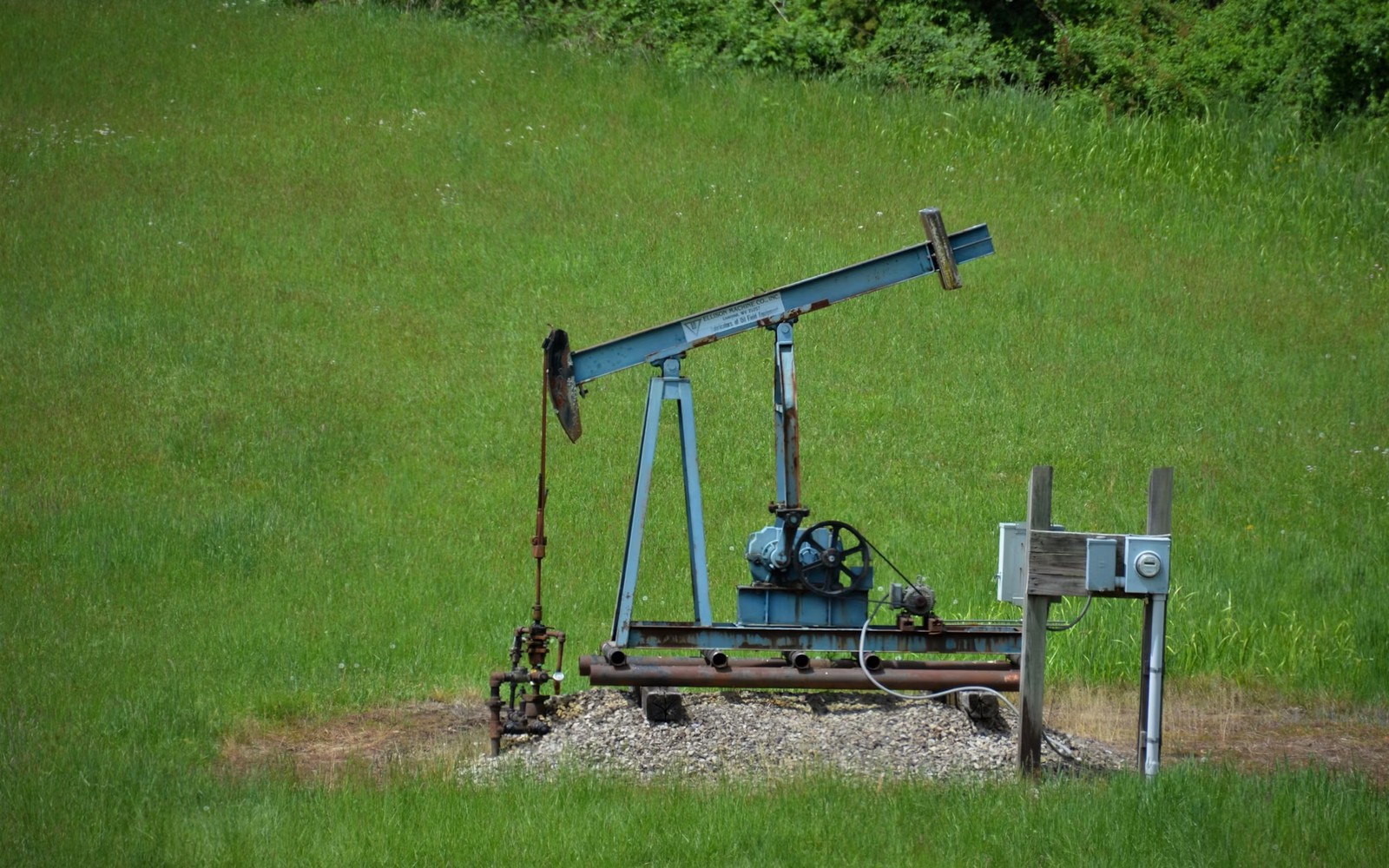
Surface vs. Mineral Estate

In most oil and gas producing states, owning the surface of a property and owning what's beneath it are two entirely separate legal estates, and a lot of confusion in this business starts with owners who assume they automatically own both.

The split happens through what's called severance: at some point, usually decades ago, a deed conveyed the surface and minerals to different owners, or a seller reserved the mineral rights while conveying the surface, or vice versa. Once severed, the two estates can be bought, sold, leased, and inherited completely independently of each other, and often are, sometimes for generations without either owner having any contact with the other.

Understanding which estate you hold, and how the other one affects yours, matters enormously for valuation, because a mineral owner's rights and a surface owner's rights interact in specific, sometimes contentious ways.

How the Two Estates Interact

In most states, the mineral estate is legally dominant, meaning the mineral owner (or their lessee) has an implied right to use as much of the surface as reasonably necessary to explore for and produce the minerals, even over a surface owner's objection, subject to reasonable accommodation and, in many states, a surface use agreement covering compensation for damages. This dominance is exactly why the two estates get valued so differently: a mineral owner's interest gains value from drilling activity, while a surface owner sometimes experiences drilling as a disruption they don't financially benefit from unless they've negotiated a surface use agreement.

Buyers pricing a mineral interest generally don't need to negotiate with the surface owner directly, that's the operator's job when they permit a well, but understanding whether the surface is actively farmed, developed, or vacant can be a small factor in how quickly and easily a well gets permitted and drilled on a given tract.

Why This Split Matters When You're Selling

If you're selling mineral rights, you're not selling the land, and buyers price mineral interests entirely independent of whatever the surface is worth as farmland, pastureland, or residential property. Conversely, if you're selling surface property and the minerals were severed long ago, don't expect the sale price to reflect any oil and gas value, since you're not conveying rights you don't hold.

Owners sometimes discover the severance only when they go to sell the surface and a title search turns up a mineral reservation from decades earlier. That's normal, and it doesn't affect your ability to sell the surface, it just means the buyer of your land won't be acquiring the minerals underneath it.

Confirming Which One You Actually Own

A title search at the county clerk's office is the definitive way to confirm whether your minerals were severed, when, and by whom. Older deeds sometimes use ambiguous language about what was reserved or conveyed, so if there's any doubt, a title attorney's opinion is worth the cost before assuming you hold rights you may not.

Accommodation and Damages: Where Real Friction Happens

Even with the mineral estate legally dominant, most states require an operator to use reasonable accommodation, meaning they generally can't needlessly destroy a working farm operation or an existing structure when a less damaging surface location is available nearby. Disputes still happen over well pad placement, access road routes, and pipeline corridors, particularly on actively farmed or grazed land, and a surface use agreement is usually where those specifics get negotiated and compensation gets set.

As a mineral owner without the surface, you generally aren't a party to that negotiation, but a contentious surface relationship on your tract can occasionally slow permitting or drilling timelines, which is worth knowing about if a buyer asks whether there's been any friction with the current surface owner on your unit.

Questions Mineral Owners Ask Our Review Desk

Each answer helps identify the asset and its evidence before a forecast or purchase number is allowed to drive the file.

If I own the surface, do I automatically own the minerals underneath?

Not necessarily. In many oil and gas states, minerals were commonly severed from the surface at some point in a property's history. A title search is the only reliable way to confirm what you actually hold.

Can an operator drill on my land if I don't own the minerals?

In most states, yes, subject to reasonable accommodation of your surface use and, in many states, a surface use agreement covering compensation for damages. The mineral estate generally carries an implied right to reasonable surface access.

Does owning mineral rights without the surface still have value?

Yes, mineral rights are valued independently of surface ownership. A mineral owner benefits from lease bonuses and production royalties regardless of who owns or uses the land above.

How do I find out if minerals were severed from my property?

Check your deed and run a title search at the county clerk's office. Look specifically for any prior deed containing a mineral reservation or a separate mineral conveyance in the property's chain of title.

What's a surface use agreement and do I need one as a mineral owner?

It's a contract between an operator and the surface owner covering access, damages, and site restoration around a well location. As a mineral owner without the surface, you typically aren't a party to it, but knowing whether one is in place tells you how smoothly a well on your unit is likely to get permitted and drilled.

Can I buy back the surface if I only own the minerals?

Only if the current surface owner is willing to sell, and that's a separate real estate transaction from anything related to your mineral interest. The two estates don't automatically reunite just because one owner wants them combined again.