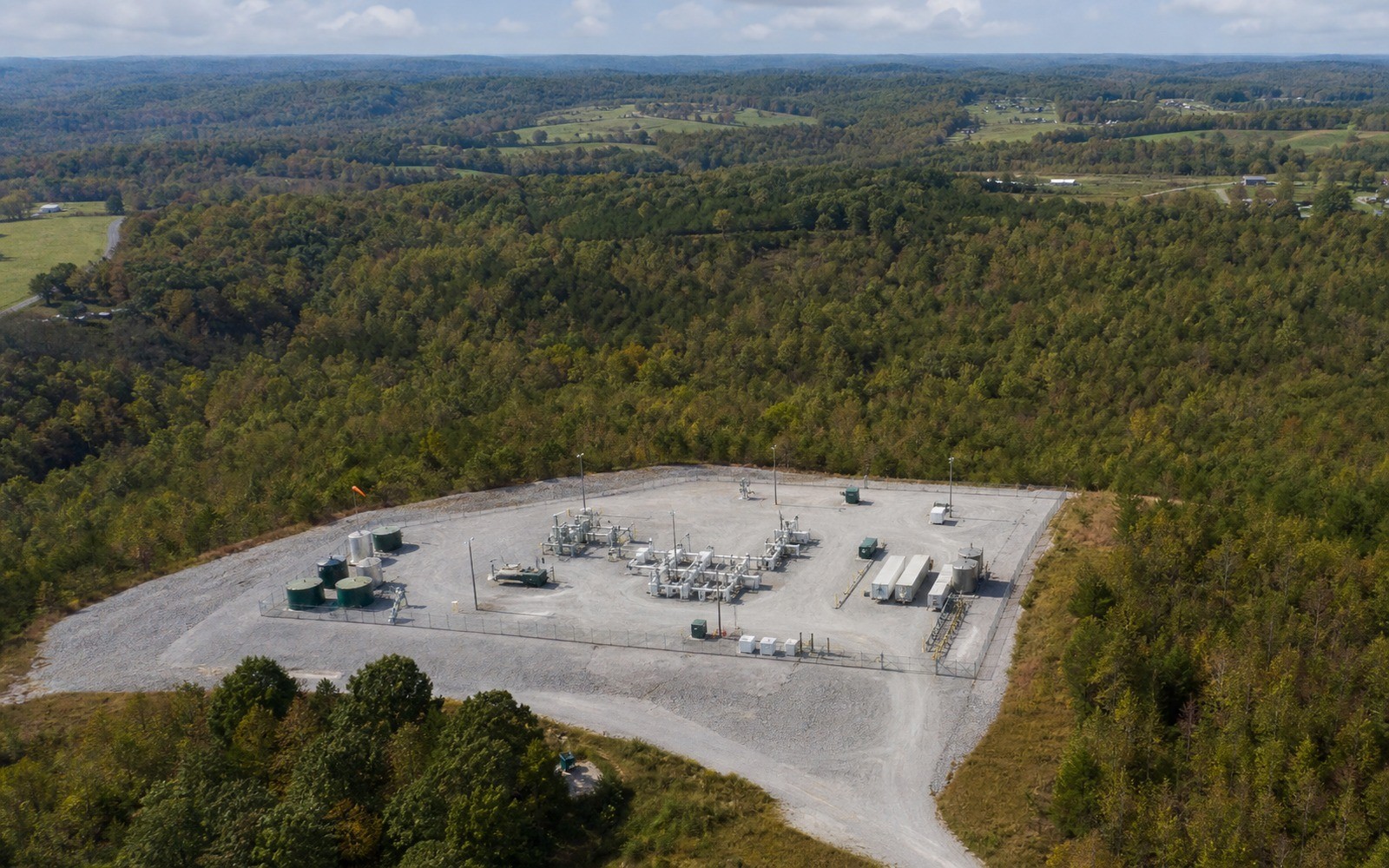
Black Warrior Basin Mineral Rights

Coalbed methane confuses a lot of first-time sellers, and Alabama's Black Warrior Basin is the play where we explain that difference most often.

Spanning Tuscaloosa, Jefferson, and several other counties in west-central Alabama, the Black Warrior Basin was one of the first commercially successful coalbed methane plays in the country, with production dating back to the 1980s. Gas here comes out of coal seams rather than conventional sandstone or shale reservoirs, produced through a network of shallow, closely spaced wells that dewater the coal before gas flow ramps up.

That production mechanism, and the basin's age, shapes a buyer market that looks very different from a modern horizontal shale play.

Buyers here specialize in coal-seam mechanics, not shale

Coalbed methane wells behave on a different timeline than shale wells, typically ramping up gas production over months or years as water is pumped out of the coal seam, then holding a long, relatively flat production plateau. A buyer unfamiliar with that dewatering curve can badly misprice either end of a well's life, undervaluing a young well still ramping up or overpaying for one nearing the end of its economic dewatering phase. The active buyers in this basin tend to be smaller regional firms and individual investors who specifically understand coal-seam production rather than generalist shale funds.

Well density and unit configuration take real work to untangle

Because Black Warrior development used closely spaced wells across decades of drilling, some units carry a meaningful number of wellbores, and separating out which wells actually produce from your specific mineral interest versus a neighboring tract takes real courthouse and division-order work. A fast quote that doesn't reference a specific well count on your unit is very likely a rough estimate rather than a number grounded in your actual production history.

Produced water handling affects long-term economics

Coalbed methane wells generate significant produced water, especially early in life, and how an operator handles disposal, whether through permitted discharge, injection wells, or treatment, affects operating costs and therefore what's left for royalty owners after deductions. It's a detail worth asking about if your royalty statements show heavier-than-expected deductions relative to gross production.

Alabama's mineral title conventions differ from newer plays

Alabama has its own specific conventions around how old mineral severances, tax sale histories, and probate matters get recorded and indexed at the county level, conventions that don't always match what a buyer used to working in Texas or Oklahoma expects. A buyer active in the Black Warrior Basin specifically should be comfortable navigating Alabama probate court records where an owner has passed without a formal partition of the mineral estate among heirs, which is a common enough situation in this basin that it shouldn't slow down a serious buyer's process.

It's also worth checking whether your specific county's records have been fully indexed online or still require an in-person courthouse visit, since that affects how quickly a title review can realistically move.

What a grounded offer references

Expect a real buyer to ask where your specific wells sit on the basin's production timeline, still dewatering, on plateau, or in decline, and how many wellbores tie to your net revenue interest. A number that treats coalbed methane like shale gas, applying a shale-style decline curve to a coal-seam well, is a sign the buyer hasn't done basin-specific homework.

Questions Mineral Owners Ask Our Review Desk

Each answer helps identify the asset and its evidence before a forecast or purchase number is allowed to drive the file.

Is coalbed methane the same as shale gas for pricing purposes?

No. Coalbed methane wells ramp up gas production over time as water is pumped from the coal seam, then hold a long plateau, a very different production curve than shale gas. A buyer who understands that distinction will value your interest more accurately than one applying generic shale assumptions.

Why does my Black Warrior royalty statement show heavy deductions?

Produced water handling is a real operating cost in coalbed methane production, particularly early in a well's life, and it typically shows up as a deduction line before your net royalty is calculated. It's a normal feature of this type of production, not necessarily a sign of a problem.

Are national mineral buyers active in the Black Warrior Basin?

Less so than in major shale plays. The buyers who show consistent interest here tend to be regional firms and individual investors with specific experience in coalbed methane economics, rather than the large national aggregators focused on horizontal shale.

How do I know if my well is still ramping up or already in decline?

Your royalty statements and any well records available through the Alabama State Oil and Gas Board will show gross production over time, which a knowledgeable buyer can use to place your well correctly on the dewatering-to-plateau-to-decline timeline that drives its valuation.

Does an unresolved family estate complicate selling Black Warrior minerals?

It can add time, but it's not unusual in this basin. A buyer familiar with Alabama probate practice will typically walk you through what documentation is needed to confirm each heir's share before closing.