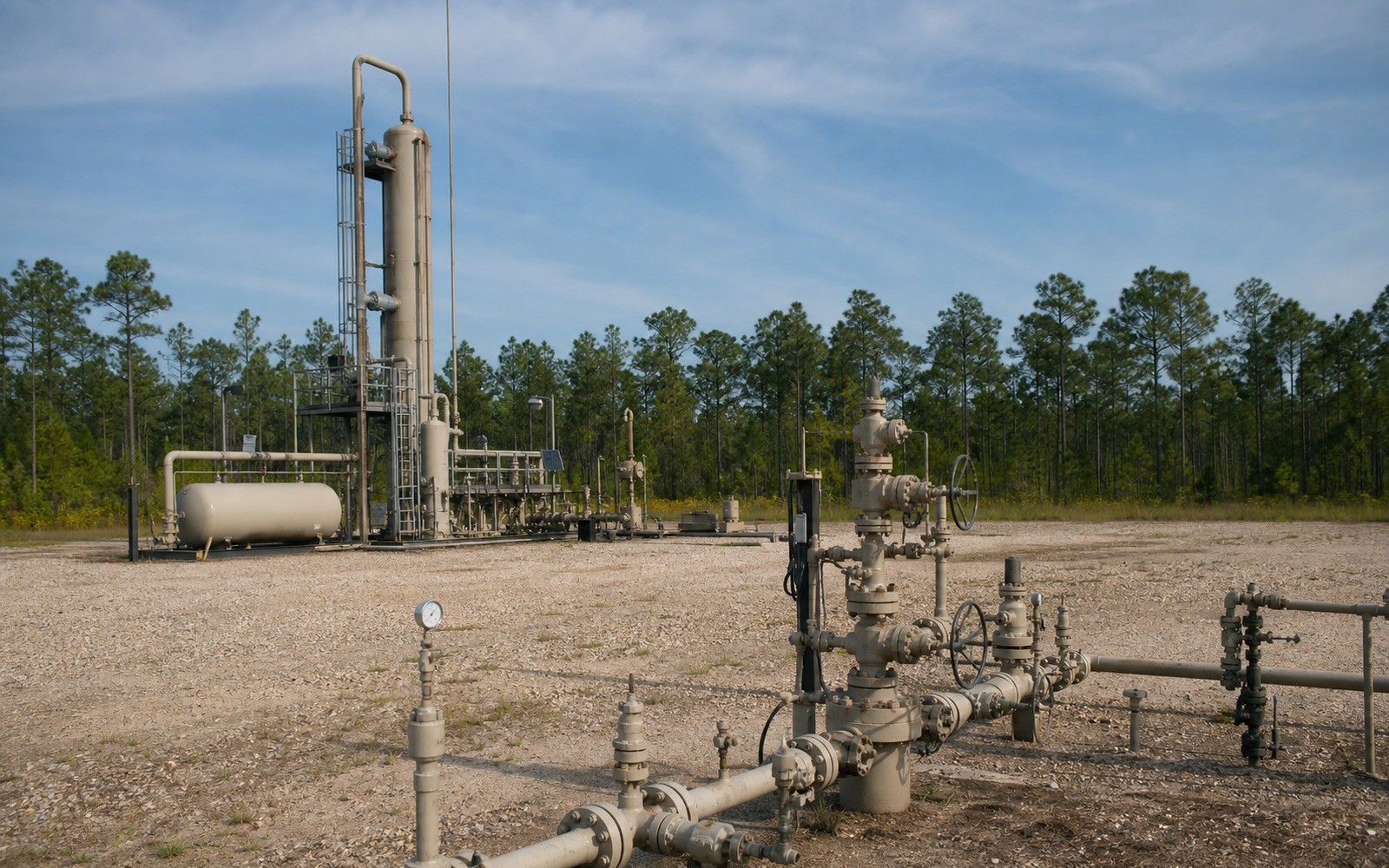
Haynesville Shale Mineral Rights

We’ve watched the Haynesville go cold and come back twice now, and the current run of interest is tied directly to something happening on the coast, not in the basin itself.

Straddling East Texas and northwest Louisiana, Panola, Harrison, Shelby counties on the Texas side, Caddo, DeSoto, Red River, and Bossier on the Louisiana side, the Haynesville is a deep, high-pressure gas shale that first boomed around 2008 through 2011, went quiet when gas prices collapsed, and has come roaring back over the past several years as Gulf Coast LNG export terminals created new, durable demand for the kind of high-deliverability gas this play produces.

That LNG connection is the thing to understand before you evaluate any offer, because it's a genuinely different demand driver than what supports most other domestic gas plays right now.

LNG-linked buyers price differently than domestic-only funds

Some of the more aggressive Haynesville buyers today are underwriting your minerals partly against long-term LNG export demand and contracted offtake agreements rather than purely domestic gas pricing, which tends to support a more optimistic price deck than you'd see in a gas play without that export connection. Not every buyer runs that analysis the same way, so it's worth asking directly whether an offer accounts for export demand or is built purely on historic Henry Hub pricing.

The operator list here is heavyweight and active

Expand Energy (formerly Chesapeake, following its merger with Southwestern), Aethon Energy, and Comstock Resources are among the larger active operators, alongside a rotating group of private equity-backed drillers. That level of continued drilling activity, unusual for a shale play this old, means a serious buyer needs current information on your specific unit's operator and near-term drilling schedule, not history from the play's first boom over a decade ago.

Texas side versus Louisiana side changes the paperwork

Louisiana's forced pooling and unitization rules, along with its severance tax structure, differ meaningfully from Texas's, and Louisiana mineral law includes concepts like prescription, the loss of a mineral servitude after a period of nonuse, that simply don't exist in Texas title work. A buyer working both sides of the play needs real familiarity with both states' rules; one who only knows Texas title conventions may move slower or miss issues specific to a Louisiana parcel.

Legacy conventional history sits underneath a lot of Haynesville acreage

East Texas and northwest Louisiana both have long conventional oil and gas histories predating the shale boom by decades, which means a meaningful share of Haynesville-area tracts carry older leases, prior partial conveyances, and sometimes overlapping unit designations from earlier development eras. A buyer who's only underwriting the modern horizontal Haynesville well without checking that older history can miss title issues that surface later during closing, which is part of why a thorough courthouse review still matters even in a play this actively drilled today.

What a strong offer references

Ask whether your buyer's price reflects current LNG-driven demand or an older, purely domestic gas assumption, and ask which operator is currently active on your specific unit. Given how much capital has returned to this play, a Haynesville owner today is often in a stronger negotiating position than the play's reputation from its quiet years would suggest.

Questions Mineral Owners Ask Our Review Desk

Each answer helps identify the asset and its evidence before a forecast or purchase number is allowed to drive the file.

Why has interest in Haynesville minerals picked back up recently?

Gulf Coast LNG export terminals have created new, durable demand for high-deliverability gas like the Haynesville produces, which has drawn renewed drilling activity and buyer interest after the play went quiet during the low gas prices of the mid-2010s.

Does it matter whether my minerals are on the Texas or Louisiana side?

Yes. Louisiana has its own pooling, unitization, and severance tax rules, plus legal concepts like mineral servitude prescription that don't exist under Texas law, so a buyer needs state-specific expertise to price and close a Louisiana parcel correctly.

Which operators are currently active in the Haynesville?

Expand Energy, Aethon Energy, and Comstock Resources are among the larger active operators, alongside several private equity-backed drillers, and unlike many decade-old shale plays, real drilling activity continues here.

Should I ask a buyer whether their offer accounts for LNG demand?

It's worth asking directly. Some buyers price Haynesville gas against long-term export-linked demand, which can support a more optimistic number than one built purely on historic domestic gas pricing, so the underlying assumption matters.

Does my Haynesville tract have older conventional history underneath the shale well?

Possibly, given how long East Texas and northwest Louisiana have been drilled. A thorough buyer checks for that older history rather than only underwriting the modern horizontal well, since prior conveyances or overlapping units can otherwise surface unexpectedly during closing.

Are offers on Haynesville minerals generally stronger now than a few years ago?

Renewed LNG-driven demand and continued active drilling have generally supported more competitive offers than during the play's quiet mid-2010s stretch, though every tract still depends on its own specific production history and operator activity.