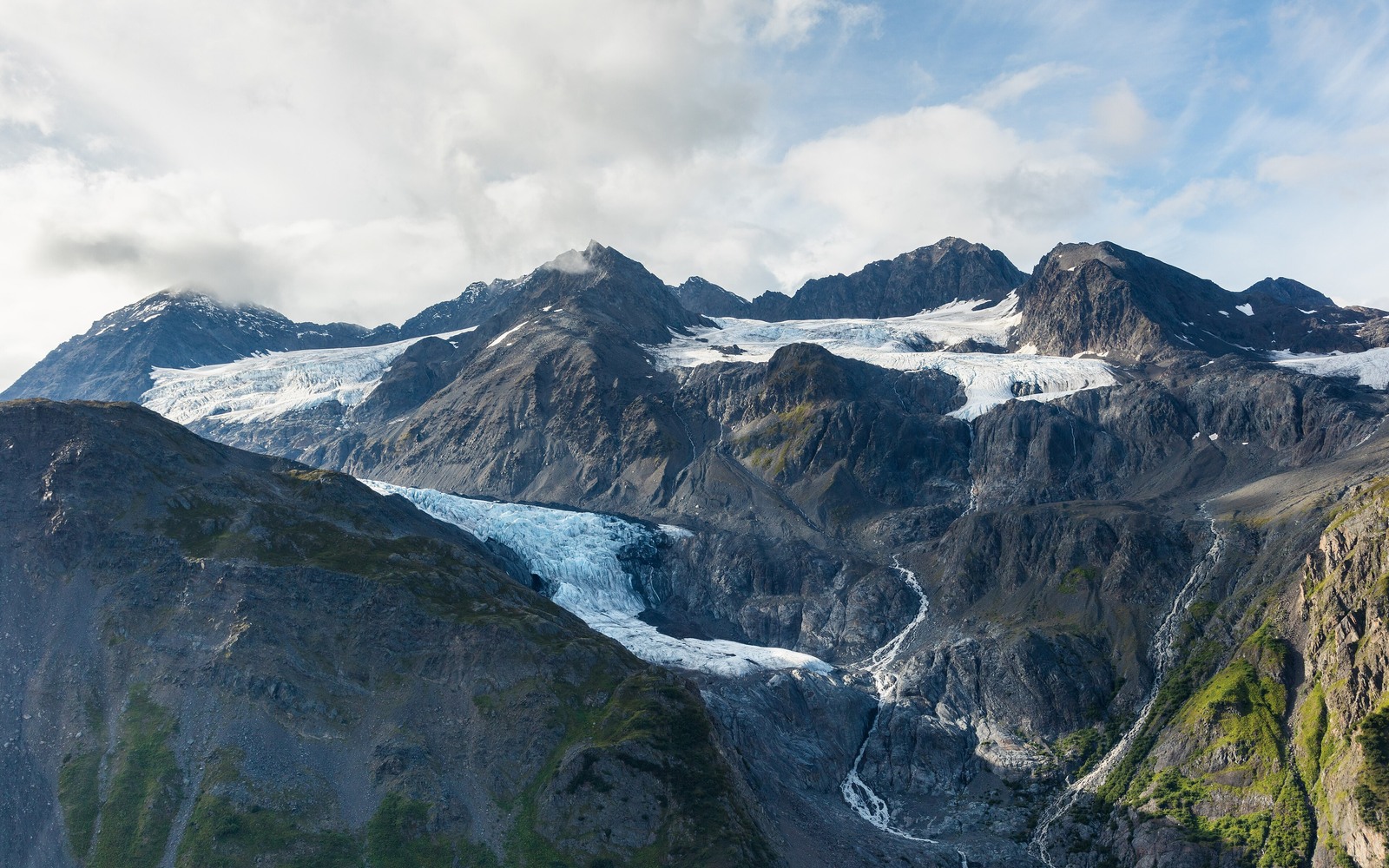
Local view for Sell Mineral Rights in Alaska

Sell Mineral Rights in Alaska

Every so often someone from Alaska calls asking why nobody wants to buy their mineral rights. The honest answer starts with who owns the ground up there in the first place.

Alaska breaks the usual pattern you'd expect from a state with a giant producing field. Prudhoe Bay and Kuparuk sit on the North Slope, but the State of Alaska holds the mineral estate under most of that acreage and leases it directly through state lease sales. There's no broad layer of individual fee mineral owners collecting royalty checks the way there is in Texas or Oklahoma.

Private mineral ownership in Alaska exists, but it's concentrated in specific pockets: Alaska Native Regional and Village corporations that received subsurface rights under the 1971 land claims settlement, a small number of homestead-era patents, and scattered fractional interests from early statehood transactions. If you're one of those owners, the buyer conversation looks nothing like it does elsewhere.

Why most 'mineral rights' searches from Alaska miss the market

A lot of traffic searching for a mineral rights buyer in Alaska turns out to be surface owners, homestead descendants, or people confusing state royalty programs like the Permanent Fund dividend with a private mineral interest. None of that is something a buyer purchases. Before you go further, confirm your interest is a documented, severed mineral or royalty interest with a title history, not a state benefit or surface patent.

Native corporation subsurface rights are a distinct category

Regional corporations formed under the Alaska Native Claims Settlement Act hold subsurface estate across large swaths of conveyed land, and those rights generally aren't sold the way individual fee minerals are traded in the Lower 48. Shareholder interests in the corporation itself are a different asset entirely and come with their own transfer restrictions. If this describes your situation, the buyer landscape is closer to a corporate transaction than a mineral deed sale, and you're better served talking to the corporation's land department than a typical mineral buyer.

Who actually buys the small pool of real private interests

For the narrow slice of Alaska owners who do hold a genuine severed interest, tied to older patented land or a legacy transaction predating statehood-era consolidation, buyers tend to be specialized individual investors and small family offices who already understand Alaska's title and regulatory quirks. Large PE-backed aggregators generally skip the state because the deal flow is too thin to build a program around, and operators buying back small interests are uncommon since so much North Slope production sits on state leases already.

What thin coverage means for pricing

With so few qualified buyers, expect any real offer to come slowly and expect the buyer to spend real time confirming your title chain before naming a number, since Alaska title work carries its own complications around patents, allotments, and native claims overlays. That diligence isn't a stall tactic here, it's usually necessary. Treat a buyer who skips it and offers a fast number as a red flag rather than a convenience.

Cook Inlet is a smaller, separate story from the North Slope

Beyond the North Slope, Cook Inlet in south-central Alaska has its own long, if diminished, oil and gas history, with legacy production dating back to the 1950s and 60s and a mix of state leases and older private interests scattered around the basin. Cook Inlet's buyer pool, where it exists at all, is even smaller and more specialized than the North Slope's, since the field is older, smaller, and further along in decline than the giant fields further north. If your family's Alaska interest traces to Cook Inlet rather than the North Slope, expect the same careful title work, but an even thinner set of potential buyers to work with.

Questions Mineral Owners Ask Our Review Desk

Each answer helps identify the asset and its evidence before a forecast or purchase number is allowed to drive the file.

Does the Permanent Fund dividend count as a mineral interest I could sell?

No. The dividend is a state benefit paid to residents from fund earnings, not a private, transferable mineral or royalty interest, so there's nothing there for a buyer to purchase.

Why don't the big shale-era mineral buyers operate in Alaska?

Most North Slope production sits on state-owned mineral leases rather than private fee interests, so the deal volume that supports a large buying program in Texas or the Permian simply doesn't exist here.

I inherited land from a homestead patent near Fairbanks. Do I own the minerals?

It depends on the specific patent terms and date. Many federal homestead patents reserved mineral rights to the government, so you'll need a title search before assuming you have anything to sell.

How is buying an ANCSA shareholder interest different from buying mineral rights?

A regional corporation shareholder interest is a corporate ownership stake with statutory transfer restrictions, not a deeded mineral estate, and it isn't bought and sold like a fee mineral interest in the Lower 48.

Are there any active oil and gas lease sales in Alaska I should know about?

The State of Alaska periodically holds lease sales for state-owned acreage, mostly on the North Slope and in Cook Inlet, but those sales involve state mineral rights, not private ones, so they don't directly create a buying opportunity for an individual owner's severed interest.