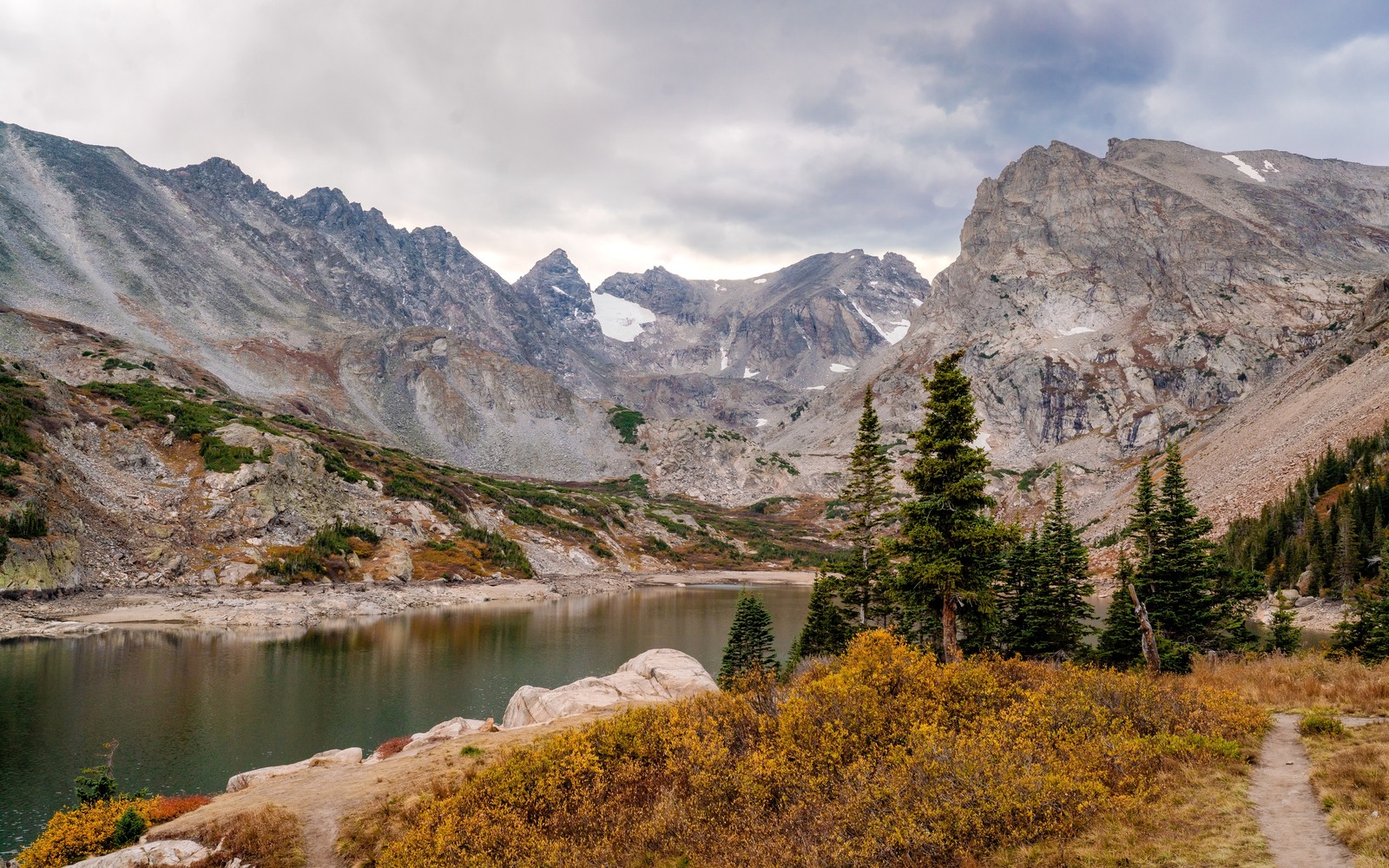
Local view for Sell Mineral Rights in Colorado

Sell Mineral Rights in Colorado

Colorado gets lumped together as one oil and gas state, but the buyer conversation on the eastern plains has almost nothing in common with the one on the western slope.

Weld County and the Denver-Julesburg basin, the Wattenberg field specifically, have been one of the more consolidated and actively developed areas in the country over the last several years. Civitas Resources, formed out of the Extraction Oil & Gas and Bonanza Creek merger with additional PDC Energy assets folded in, now operates a huge footprint there. The Piceance basin on the western slope, by contrast, is quiet natural gas country that's seen a fraction of the drilling activity it did in its 2000s heyday.

Those two realities produce two very different buyer pools, and if you own interests in both regions, or are only vaguely sure which basin your acreage sits in, that distinction matters more than almost anything else about pricing.

The DJ basin draws real competition

Wattenberg field consolidation under Civitas means there's an active operator with ongoing development plans across a lot of Weld County acreage, and that draws PE-backed aggregators who want to buy in ahead of future drilling. If your interest sits in an active development unit, expect multiple inbound calls and real pricing competition, since more than one buyer type is chasing the same story: current production plus near-term drilling upside.

The flip side is that DJ basin deals move fast and buyers here are comfortable with aggressive numbers when they believe more wells are coming. Get a second opinion before accepting a first offer, because the range between a lazy lowball and a competitive number can be wide precisely because there's real upside to argue over.

Piceance is a quieter, income-focused market

Garfield, Mesa, and Rio Blanco county gas interests tied to the Piceance basin see far less drilling activity than they did when gas prices and takeaway capacity both favored the play more heavily. Operators like Terra Energy Partners continue working existing units, but new permits are a fraction of what they were. Buyers here look more like the ones you'd find in a mature basin: income-focused, pricing off current royalty checks rather than drilling upside.

Confirming which basin your interest is actually in

Colorado is large enough that county alone isn't always a reliable shortcut, some counties touch more than one basin's edge. Pull your division order or lease and confirm the unit and formation named. A buyer who offers a number without asking which formation and unit you're in, in a state with this much regional variation, hasn't actually priced your specific interest.

What owners in each region should watch for

In the DJ basin, watch for buyers leaning on general Weld County activity to justify a number instead of your unit's specific well count and spacing. In the Piceance, watch for the opposite problem, buyers assuming permanent decline and lowballing an interest that may still have workable reserve life left given how long tight gas wells in that basin have historically produced.

Front Range growth is squeezing DJ basin drilling locations

Population growth along Colorado's Front Range corridor has steadily eaten into previously drillable Weld County acreage, since setback rules keep new wells a fixed distance from occupied structures and that distance simply covers more ground every year as subdivisions expand. A tract that had ample room for a legal well location a decade ago may not today, which is exactly why a buyer serious about DJ basin acreage should be checking current setback feasibility against your specific section rather than relying on how the area looked when it was last drilled.

Questions Mineral Owners Ask Our Review Desk

Each answer helps identify the asset and its evidence before a forecast or purchase number is allowed to drive the file.

Why do DJ basin owners get more offers than Piceance owners?

The DJ basin, particularly Weld County's Wattenberg field, has seen far more consolidated, active development in recent years, which draws growth-focused buyers competing for acreage. Piceance activity has slowed considerably by comparison.

Does the Civitas merger affect how my interest gets priced?

It can. A single larger operator controlling more of the unit around your interest can mean more predictable development plans, which some buyers factor into their offer.

How do I know if I'm in the DJ basin or Piceance basin?

Check your division order or lease for the named formation and unit, and confirm the county. Some counties sit near the edge of one basin or another, so don't rely on county name alone.

Is a fast, high offer in the DJ basin always trustworthy?

Not necessarily. Real competition can produce genuinely strong offers, but speed alone isn't proof of a fair number. Compare it against your unit's actual well count and recent production before accepting.

Are Piceance interests worth selling given lower drilling activity?

That depends on your goals. Tight gas wells in the Piceance have historically produced for a long time at low decline rates, so an income buyer may still see real value even without new drilling.

Are there other Colorado basins besides the DJ and Piceance I should know about?

The Raton basin in southern Colorado has its own coalbed methane history, smaller and quieter than either the DJ or Piceance, with a correspondingly thinner buyer pool. If your interest sits there, expect a market that behaves more like Piceance's income-focused pricing than the DJ basin's competitive one.