Fayetteville Shale Mineral Rights

Few plays illustrate how fast a shale boom can go quiet as clearly as the Fayetteville does, and that speed is exactly what shapes today's buyer conversation.

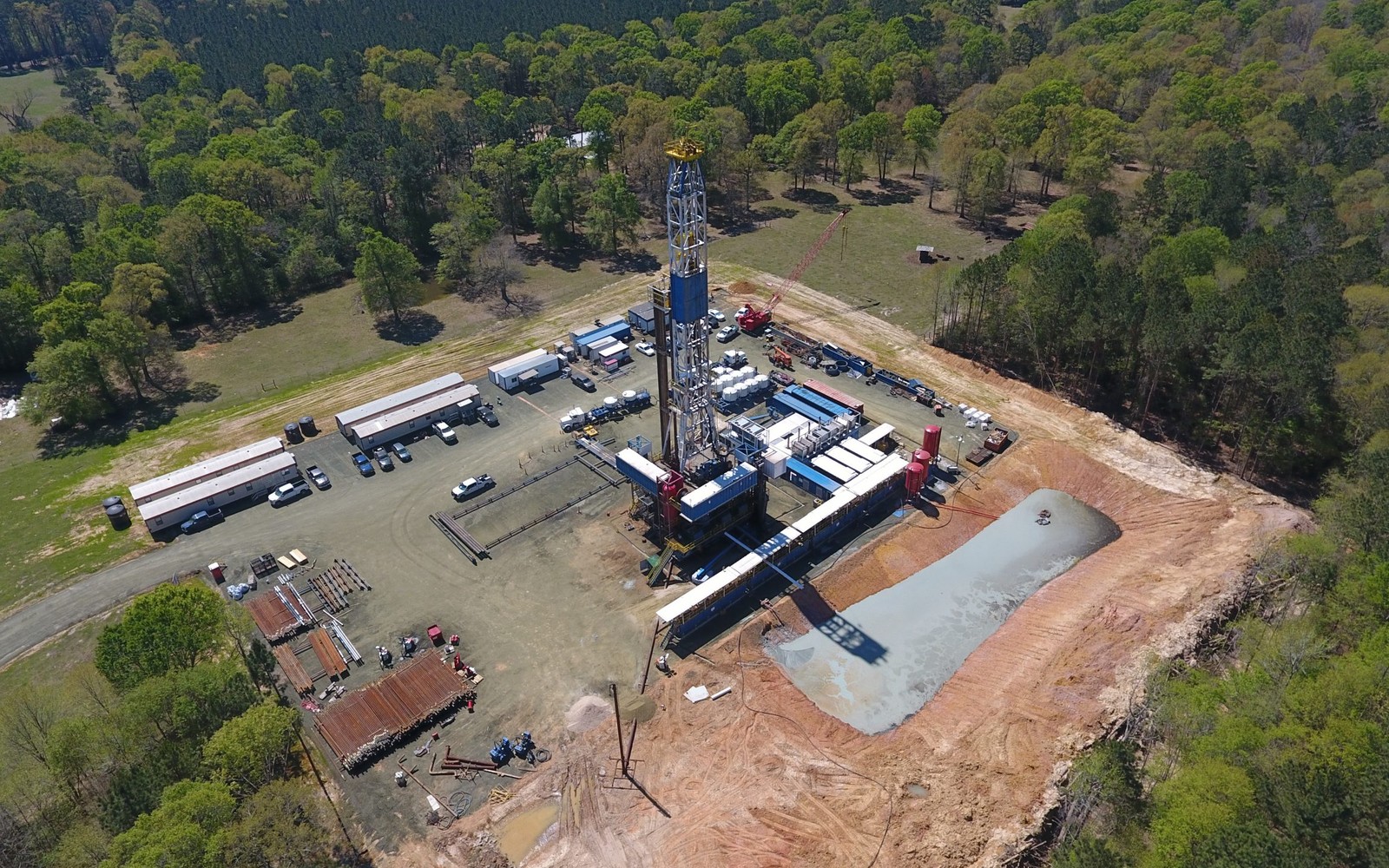
Running through the Arkoma Basin in north-central Arkansas, mostly Van Buren, Conway, Cleburne, and White counties, the Fayetteville Shale was drilled hard from roughly 2005 through the early 2010s, largely by Southwestern Energy, before natural gas prices collapsed and new drilling slowed to nearly nothing. Most of what's producing today is legacy production from that original development window, not new activity.

That stalled trajectory means the buyer conversation here centers almost entirely on existing production and how much runway is left in it, not on future drilling upside.

The remaining buyers price on cash flow, not growth

With essentially no new drilling to speculate on, active Fayetteville buyers are pricing your interest as a pure cash flow stream, reading your well's current production against its historical decline and applying a discount rate tied to gas price expectations. That's a more mechanical, less speculative process than in an actively drilling basin, which can actually work in an owner's favor since there's less room for a buyer to lowball based on vague future upside they control the narrative on.

Operator concentration narrows who you're really dealing with

Because Southwestern Energy drilled such a large share of the play, a lot of Fayetteville production still traces back to units they operate or once operated, even after various divestitures over the years. Buyers who've tracked the ownership history of that acreage as it's changed hands tend to move faster through diligence than ones encountering the play's operator history for the first time.

Well age affects how much decline math actually matters

A well drilled in 2008 versus one drilled in 2013 sits at very different points on its own decline curve today, and the older well is more likely to have flattened into a long, low, relatively predictable tail. That flattening isn't a bad thing for value, a steady low-decline tail can be more attractive to a cash flow buyer than a younger well still on a steeper part of its curve, even though the monthly number looks smaller.

Arkansas title work has its own quirks

Ownership in the Arkoma Basin region frequently traces through timber and agricultural land transactions going back generations, and mineral rights were sometimes severed from the surface as a minor detail in a much larger land transaction decades before anyone anticipated a shale boom. A buyer active in this specific corner of Arkansas needs to be comfortable running that history down at the county level, including confirming whether any prior partial conveyances or old lease assignments cloud your current net revenue interest.

Heirship situations also show up regularly here, since many original mineral owners held onto small rural tracts for generations before the shale boom made them suddenly relevant again, often without a formal partition among descendants ever taking place.

What a grounded offer looks like here

Ask a buyer what decline rate they're applying to your specific well's current production and what gas price assumption sits underneath the offer. Given how few Fayetteville buyers are still actively quoting, it's also worth getting more than one number if you can, since the market's thinness means offers can vary more than owners expect from a supposedly settled, mature play.

Questions Mineral Owners Ask Our Review Desk

Each answer helps identify the asset and its evidence before a forecast or purchase number is allowed to drive the file.

Is anyone still drilling new wells in the Fayetteville Shale?

Very little. The play's active drilling window was mostly 2005 through the early 2010s, and today's buyer conversation is almost entirely about existing production rather than new development.

Why does my well's age matter for what a buyer offers?

Older Fayetteville wells have typically flattened into a long, low-decline production tail, which can actually be attractive to cash-flow-focused buyers even though the current monthly volume looks modest compared to the well's early years.

Are there still active buyers for Fayetteville Shale minerals?

Yes, though the pool is smaller than in actively drilling basins. Buyers here tend to focus specifically on stable, mature gas production rather than growth, and it's worth getting more than one quote given how thin the market has become.

Does it matter who originally operated my well?

It can. Southwestern Energy drilled a large share of the Fayetteville, and ownership of many units has changed hands since through various divestitures. A buyer familiar with that history will typically move faster through title and division-order review.

My family's mineral rights trace back to old farmland, does that complicate a sale?

It's common in this part of Arkansas and generally not disqualifying, though it may mean tracing an ownership chain through several generations. A buyer experienced with Arkoma Basin title work will know how to research that efficiently rather than treating it as an obstacle.

Should I expect multiple competing offers for Fayetteville minerals?

Not necessarily, given how thin the active buyer pool has become. It's still worth reaching out to more than one, since even a small market can produce meaningfully different numbers depending on how carefully each buyer reads your production history.