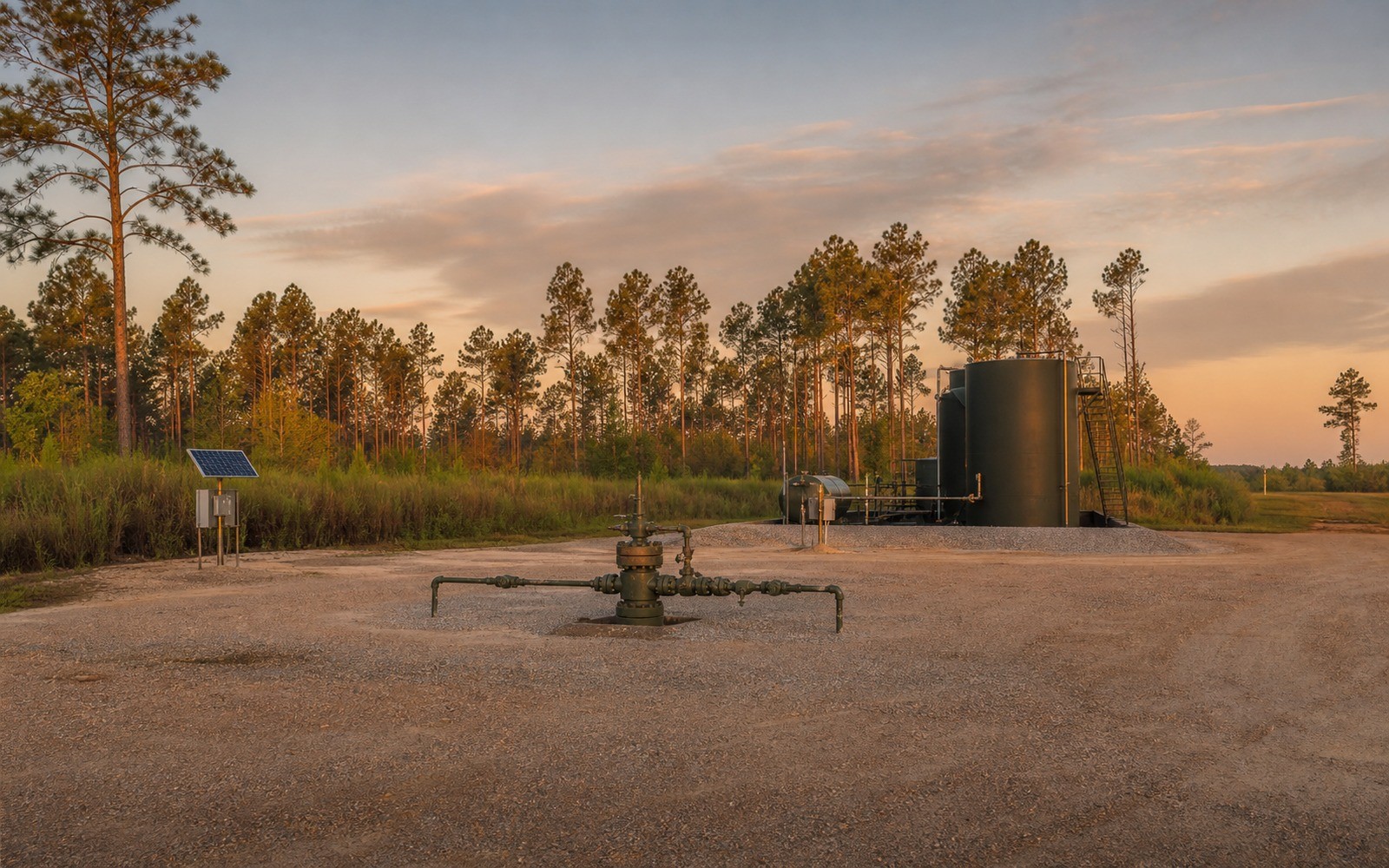
Tuscaloosa Marine Shale Mineral Rights

Of all the plays we get asked about, the Tuscaloosa Marine Shale is the one where we’re most careful to set realistic expectations up front.

Running across southwest Mississippi and into central Louisiana, roughly Wilkinson, Amite, and Pike counties in Mississippi and neighboring parishes in Louisiana, the Tuscaloosa Marine Shale was drilled aggressively by operators including Encana and Goodrich Petroleum during the mid-2010s, on the belief it could become a major oil-weighted shale play. High drilling costs, difficult clay-rich rock, and the mid-decade oil price collapse ended that push before it fully proved out economically, and most operators pulled back or exited entirely.

What's left today is a modest base of production from that drilling window, with very little new activity, and a buyer pool that reflects exactly that history.

The active buyer pool is small and cautious

Because the play never fully proved out at scale, you won't find major national aggregators actively targeting Tuscaloosa Marine Shale acreage. The buyers who do quote here tend to be smaller regional players and individual investors, often ones already familiar with the specific wells drilled during the 2010s push, since the well count is limited enough that a knowledgeable local buyer can track most of it directly.

Well-specific history matters more than basin-wide talk

With so few wells drilled relative to the play's original footprint, a buyer's offer should be grounded in the actual performance of whatever specific well or wells tie to your interest, not a general narrative about the play's overall promise or disappointment. Some individual TMS wells performed reasonably well even as the broader play struggled to scale, so don't assume a modest offer or a strong one reflects the play as a whole rather than your specific tract's history.

Drilling costs shaped the buyer conversation as much as the geology

The Tuscaloosa Marine Shale's clay-rich, geopressured rock made wells here notably more expensive to drill than comparable shale plays elsewhere, which was a major factor in operators pulling back even where individual wells produced reasonably well. That cost reality means any near-term new drilling on your specific tract is a genuine question mark, and a credible buyer should be candid about that uncertainty rather than implying renewed development is likely.

Title history here often predates the shale push entirely

Much of the land across this stretch of southwest Mississippi and central Louisiana carries a long agricultural and timber ownership history, with mineral rights sometimes severed generations before anyone anticipated a shale play developing underneath. A buyer should be running a genuine chain-of-title review rather than assuming a recent deed captures the full ownership picture, and on the Louisiana side specifically, needs to account for prescription, the state's rule that can cause an unused mineral servitude to revert to the surface owner after a period of nonuse.

What a realistic offer looks like

Ask a buyer whether they've reviewed the actual production history of wells tied to your specific interest and whether they're aware of any operator activity, current or planned, nearby. Given how thin this market is, a quote that references your specific well history is more trustworthy than one built on generic basin-wide assumptions.

Questions Mineral Owners Ask Our Review Desk

Each answer helps identify the asset and its evidence before a forecast or purchase number is allowed to drive the file.

Did the Tuscaloosa Marine Shale ever become a major producing play?

Not at the scale originally expected. Operators pushed hard in the mid-2010s, but high drilling costs from the difficult, clay-rich rock combined with falling oil prices led most to pull back, leaving a modest production base rather than a fully developed major shale play.

Why is the buyer pool so small for this play?

With relatively few wells drilled and no major aggregators actively targeting the area, most active buyers are smaller regional players and individual investors, often already familiar with the specific wells and operators involved in the 2010s drilling push.

Does a disappointing overall play history mean my specific minerals aren't worth much?

Not necessarily. Individual TMS wells varied in performance even as the broader play struggled to scale, so your interest's value should be based on the actual history of the specific well or wells tied to it rather than a general narrative about the play.

Is there any chance of new drilling on my Tuscaloosa Marine Shale acreage?

It's a genuine open question. High drilling costs were a major reason operators pulled back here, and new activity would depend on both improved drilling economics and renewed operator interest, neither of which is support in the near term.

My family's land has been in Mississippi or Louisiana for generations, does that complicate a sale?

It can add title research time, particularly tracing chain of title through older agricultural or timber transactions, and on the Louisiana side, confirming the interest hasn't reverted through prescription. It's a manageable process, just one that takes real courthouse work.

Should I expect a strong offer if my well was one of the play's better performers?

Possibly, since valuation here should track your specific well's actual results rather than the play's disappointing broader reputation. A buyer who's reviewed your well's real history is more likely to reflect that than one working from general assumptions.