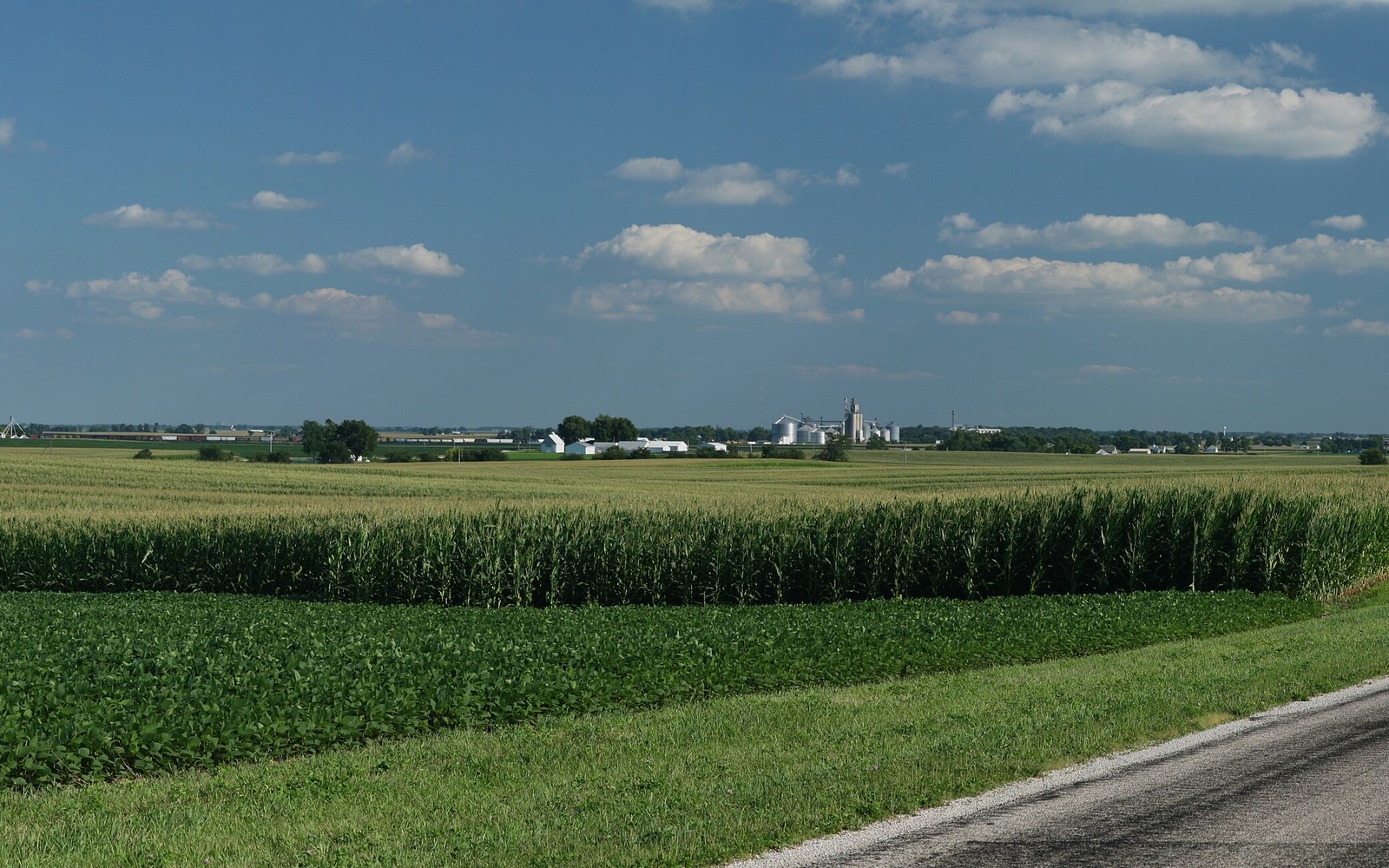
Local view for Sell Mineral Rights in Illinois

Sell Mineral Rights in Illinois

Illinois basin production never chased headlines the way shale plays do, and the buyers working it now reflect that. Small, patient, and not particularly numerous.

The Illinois basin runs across the southern part of the state, Marion, Wayne, Clay, and a scatter of other counties, and it's old conventional oil country. Most of what's produced today comes from waterflood and secondary recovery on fields that were first drilled generations ago, not from anything resembling a new drilling boom. That production profile determines who's actually interested in buying your interest.

If you've gotten a letter or a call about your Illinois mineral rights, understand you're not in a competitive, multi-bidder market. You're in a small, quiet corner of the business, and that changes how you should evaluate any offer.

Small independents, not aggregators, dominate here

Illinois basin wells are typically operated by small local independents rather than the large public companies you'd recognize from shale-play headlines. Those same independents, or investors who understand stripper-well economics specifically, make up most of the real buyer pool. Large PE-backed aggregators generally don't build programs around basins with this little new drilling, since their models need growth inventory to justify the capital.

Stripper-well math is the whole conversation

A stripper well, low volume, long-lived, often decades old, prices very differently than a new shale well. There's no decline curve steepening to worry about because these wells have already flattened out years ago. A buyer here is essentially purchasing a slow, dependable trickle of income and pricing it against your trailing royalty history and the well's remaining reserve estimate, not against any drilling story.

That means the usual shale-play framing, bonus payments, offset well activity, permit filings, mostly doesn't apply. Ask a buyer what data they used instead. If they can't answer beyond your county name, they're guessing.

Why scam-adjacent form letters show up disproportionately here

Thin, quiet basins with older, less sophisticated ownership records are exactly the environment where blanket mail campaigns work best. A form letter offering a flat number for your county tends to target places where owners are less likely to have a recent, competitive offer to compare it against. Illinois basin owners see a fair number of these. Treat any offer that arrives without reference to your specific well, unit, or royalty history as a starting point for negotiation at best, not a real number.

What a legitimate local buyer actually looks like

A serious Illinois basin buyer will typically know the operator working your unit, will ask for or already have your recent statements, and will explain their number in terms of your well's current production and estimated remaining life. If someone can do that, they've likely done real homework on your specific interest rather than applying a generic county-wide rate.

Waterflood units complicate ownership more than owners expect

A lot of Illinois basin production today comes from units where operators inject water to push additional oil toward producing wells, a technique that's kept fields alive for decades past what primary production alone would have sustained. That waterflood structure sometimes involves pooled acreage and cost-sharing arrangements among multiple owners that can be genuinely tricky to untangle from an old lease alone. A buyer who asks specifically whether your interest sits inside a waterflood unit, and how costs and revenue are allocated within it, is asking the right question for this basin, one that a generalist buyer unfamiliar with older secondary-recovery fields might not think to raise.

Questions Mineral Owners Ask Our Review Desk

Each answer helps identify the asset and its evidence before a forecast or purchase number is allowed to drive the file.

Why don't the big mineral rights companies advertise in Illinois?

Illinois basin production comes from old, low-volume conventional wells rather than active shale drilling, which doesn't fit the growth-focused model most large aggregators build their programs around.

Is a flat per-acre offer letter from an unfamiliar company trustworthy?

Treat it with caution. Blanket offer letters that don't reference your specific well or royalty history are usually starting points, not fair market numbers, and are more common in quieter basins like this one.

How long do Illinois basin wells typically keep producing?

Many have been producing for decades at low, stable volumes thanks to waterflood and secondary recovery work, so remaining reserve life is often longer than owners expect from an old well.

What should I have ready before talking to a buyer?

Recent royalty statements, your division order, and whatever lease or unit paperwork you can find. That's what lets a real buyer price your interest instead of guessing off county averages.

Is there any modern drilling happening in the Illinois basin at all?

Very little compared to shale-era plays elsewhere. Most current activity is waterflood management and workovers on existing wells rather than new drilling, so treat any pitch about upcoming development in this basin with real skepticism.

Why does my Illinois interest feel so much less liquid than what I hear about from Texas relatives?

Fewer buyers, less competitive tension, and thinner deal flow overall. That's simply the nature of a mature, quiet conventional basin compared to an active shale play, and it means patience and documentation matter more here than urgency.