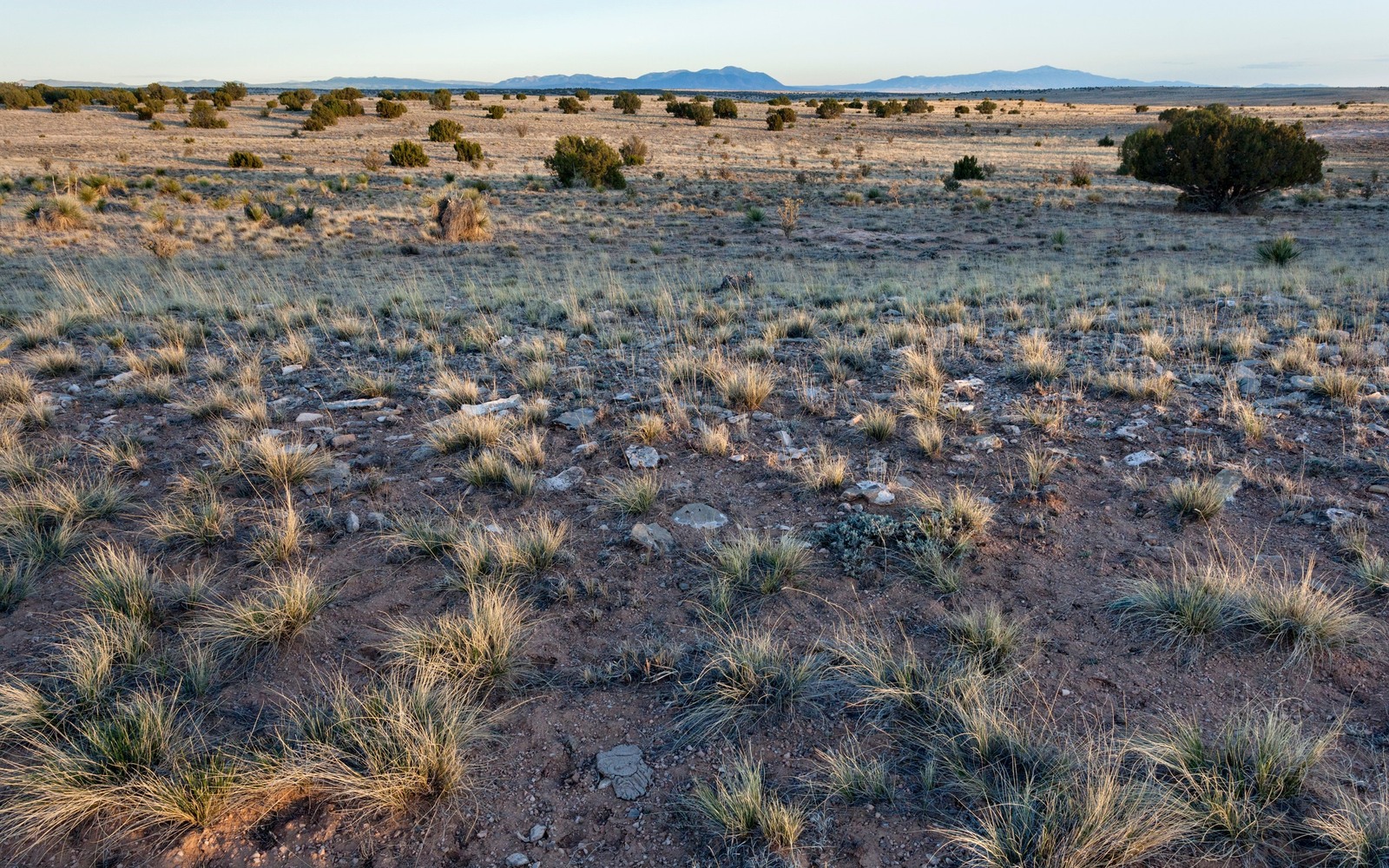
Local view for Sell Mineral Rights in New Mexico

Sell Mineral Rights in New Mexico

New Mexico isn't one mineral rights market, it's two, and mixing them up is the fastest way to leave money on the table or get talked into a lowball number.

Lea and Eddy counties, down in the Delaware basin, are as competitive a market as exists anywhere in the country right now. Drive up to the Four Corners and the San Juan basin, and you're in a legacy gas field that's been producing since the 1950s, with a buyer pool that looks nothing like the one working the Permian. If a buyer quotes you a state-average number for New Mexico, they either don't know the difference or are hoping you don't.

Lea and Eddy County Are a Different Market Than the Rest of the State

This is core Delaware basin, some of the most actively drilled acreage in North America, and the buyer competition reflects it. Public and private E&Ps are running multiple rigs across the county, spacing units are dense, and well-funded mineral buyers track permit filings the way stock traders watch earnings calls. If your interest sits in an active or recently permitted unit here, expect real competition for it.

The flip side is that offers move fast in either direction with commodity prices and rig counts, so a number that looked strong six months ago can look stale today. Anyone selling in Lea or Eddy County should be checking recent permit activity on their section before taking a first call as final.

San Juan Basin Plays by Older Rules

Up in San Juan, Rio Arriba, and Sandoval counties, most of the production is decades-old coalbed methane and conventional gas, much of it stripper-well territory now. The operators there tend to be smaller independents rather than the majors and PE-backed shops running the Delaware, and the buyers who chase San Juan interests are typically regional players comfortable underwriting long, slow decline curves instead of high-rate shale wells.

Values there run considerably lower per net mineral acre than the Delaware, and honestly should, given the production profile. Don't compare a San Juan offer to what a cousin in Eddy County got quoted.

State Trust Land Complicates a Lot of New Mexico Deals

New Mexico has a heavy checkerboard of state trust minerals managed by the State Land Office, especially across the southeast, interspersed with fee and federal tracts. If part of your section is state trust land, that portion was never yours to sell in the first place, and a buyer doing real diligence will catch it during title review. Know your legal description and whether adjoining trust sections affect your unit before negotiating.

Reading a New Mexico Offer

A credible Delaware basin offer references specific recent permits or completions near your section and typically quotes against current spacing unit economics, varying with operator and lateral length. A credible San Juan offer references decline curve and current royalty statement history instead, since there's rarely fresh drilling to point to. If a buyer can't tell you which conversation they're having, get a second opinion.

What the Courthouse Record Adds to the Conversation

Both Eddy and Lea County clerks, along with Rio Arriba and Sandoval up north, keep public deed and lease records that a buyer pulls before making a real offer, and there's nothing stopping an owner from pulling the same file first. Checking your own legal description against the county plat confirms your acreage sits where you think it does, and a quick look at recent comparable filings gives you a rough sense of activity before anyone quotes you a number.

This matters more in New Mexico than in a lot of states, because the Delaware basin and San Juan basin markets move on different timelines. A permit filed last month in Eddy County can shift pricing on nearby tracts within weeks, while San Juan activity changes far more slowly, so the freshness of whatever record you're checking matters.

Questions Mineral Owners Ask Our Review Desk

Each answer helps identify the asset and its evidence before a forecast or purchase number is allowed to drive the file.

Why do Lea County offers keep changing so much?

Delaware basin activity moves with rig counts and commodity prices, and buyers there recalibrate quickly. A number quoted six months ago may not reflect current permit activity near your tract.

Is San Juan basin production still worth anything?

Many San Juan wells are old, low-volume stripper production, so values run well below Delaware basin numbers, but long-lived gas interests still generate steady, if modest, royalty income that buyers will price against.

How do I check if my New Mexico minerals include state trust land?

The New Mexico State Land Office maintains public records showing trust land boundaries by section, and it's worth checking before you negotiate since trust minerals can't be sold as private interests.

Should I expect the same offer for Delaware basin and San Juan basin minerals?

No. They're different plays with different operators, different well economics, and different buyer pools, and treating them the same in a negotiation will cost you accuracy either way.

What recent activity should I check before taking a call?

The New Mexico Oil Conservation Division publishes permits and production by API number and section, and pulling that history for your specific tract is the fastest way to sanity-check any offer.