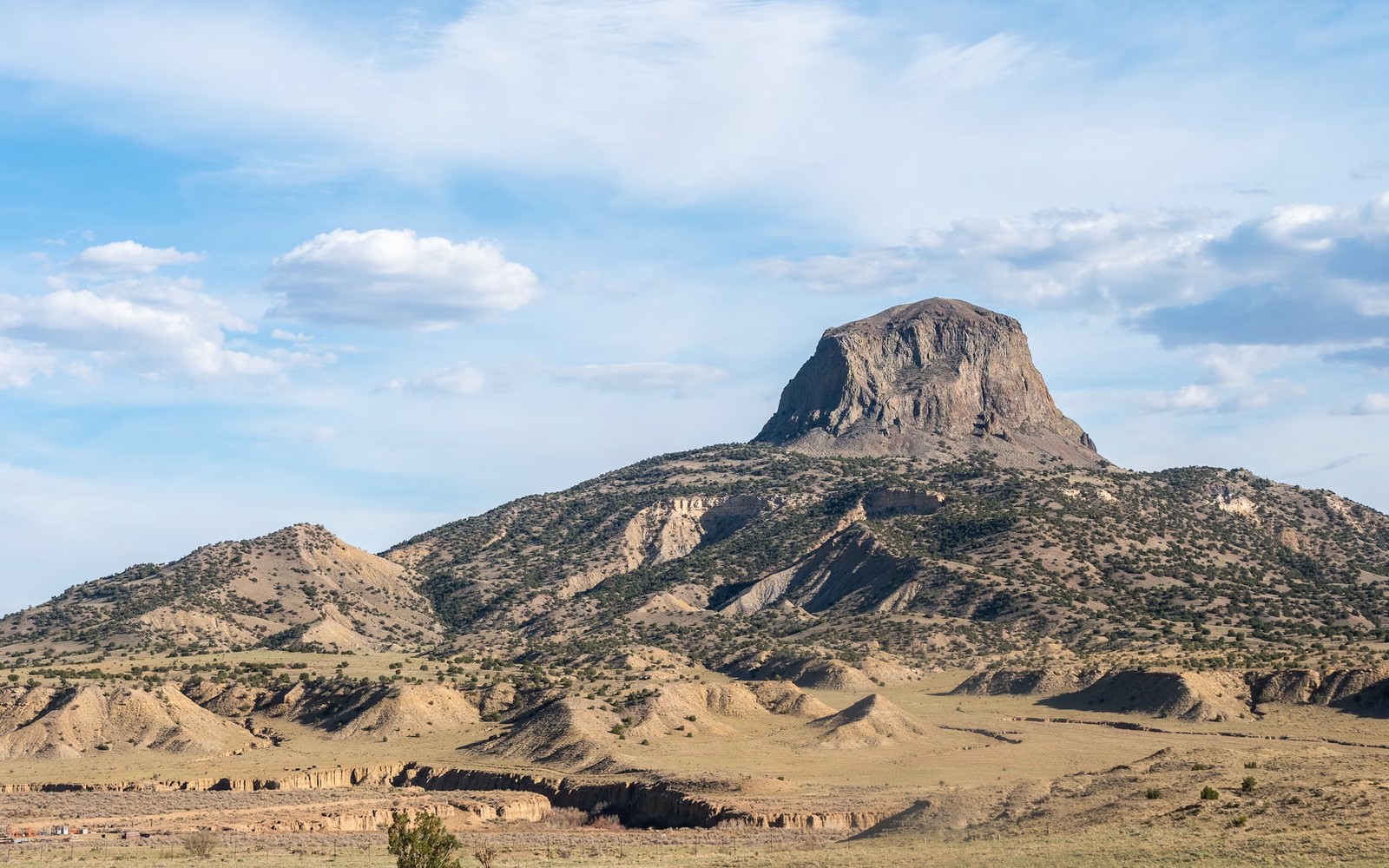
San Juan Basin Mineral Rights

Very few places give a buyer as much production history to work with as the San Juan Basin, which is both a blessing and a source of real complexity.

Spanning northwest New Mexico and southwest Colorado, mostly San Juan and Rio Arriba counties in New Mexico and La Plata County in Colorado, the San Juan Basin has been producing natural gas since the 1920s and coalbed methane since the 1980s, making it one of the longest continuously producing gas basins in the country. Layers of vertical conventional wells, coalbed methane wells, and in some areas tighter Mancos and Gallup formation targets sit stacked across decades of drilling history.

That depth of history means a San Juan valuation leans more heavily on patient, detailed production analysis than on speculating about future drilling.

This is a mature, cash-flow buyer market

With relatively limited new drilling compared to the basin's peak decades, active San Juan mineral buyers are largely funds and individuals who specialize in long-lived, well-documented production, reading decades of history to build a defensible decline projection. That's a different skill set than pricing a young, actively drilling play, and it tends to attract patient capital rather than buyers chasing fast growth.

Coalbed methane and conventional gas often sit on the same tract

Many San Juan units carry both older conventional gas wells and separate coalbed methane wells, sometimes producing from the Fruitland coal formation specifically, which behaves differently than the conventional Mesaverde or Dakota formation gas below or above it. A buyer needs to identify and price each producing zone tied to your interest separately rather than treating your tract as a single undifferentiated gas well.

Tribal and split-estate ownership shows up more here than in most basins

Parts of the San Juan Basin overlap with Navajo Nation and Jicarilla Apache Nation lands, and mineral ownership across the basin generally includes a meaningful share of split estates and old allotment-era interests. A buyer working this basin needs real familiarity with how tribal trust and allotment interests are handled differently from standard fee mineral interests, since that distinction affects both the sale process and which buyers are even positioned to close.

Colorado and New Mexico regulate this basin differently

The La Plata County, Colorado portion of the basin operates under Colorado's tighter statewide oil and gas rules, while the larger New Mexico portion follows a different regulatory and severance tax framework administered by the New Mexico Oil Conservation Division. A buyer working across the state line needs to price both the geology and the regulatory environment correctly on each side, since the same formation can carry a different practical drilling outlook depending on which side of the border your specific tract sits on.

What a grounded offer looks like

Expect a real buyer to reference decades of history, beyond only recent years, of your well's production, and to identify specifically whether your interest includes conventional gas, coalbed methane, or both. If any part of your ownership traces back through tribal trust or allotment land, ask directly how the buyer plans to handle that, since not every buyer is equipped to.

Questions Mineral Owners Ask Our Review Desk

Each answer helps identify the asset and its evidence before a forecast or purchase number is allowed to drive the file.

Why does my San Juan Basin well have such a long production history?

The basin has been producing natural gas since the 1920s and coalbed methane since the 1980s, making it one of the longest continuously producing gas basins in the country, so many wells here carry decades of documented output a buyer can analyze.

Do I have both conventional gas and coalbed methane rights on the same tract?

It's common in this basin. Many units carry separate wells producing from conventional formations like the Mesaverde or Dakota alongside coalbed methane wells in the Fruitland formation, and each should be priced according to its own production behavior.

How does tribal or allotment land ownership affect a mineral sale here?

Parts of the basin overlap with Navajo Nation and Jicarilla Apache Nation lands, and interests tied to tribal trust or old allotment-era ownership follow a different process than standard fee mineral sales. Not every buyer is set up to handle that, so it's worth asking directly.

Is the San Juan Basin still actively drilled?

Less than during its peak decades, though some newer Mancos and Gallup formation activity has occurred in parts of the basin. Most current buyer interest centers on pricing well-documented existing production rather than speculating on new drilling.

Does it matter whether my interest sits in New Mexico or the Colorado portion?

Yes. The two states apply different regulatory and severance tax frameworks, and a buyer working across the border needs to price both the geology and each state's specific rules accurately rather than treating the basin as one uniform market.

Why does a buyer need decades of production history instead of just recent statements?

Long-lived wells reveal a full decline pattern that a few recent months can't show on their own, and given how old much of this basin's production is, that longer view is usually available and worth insisting on.