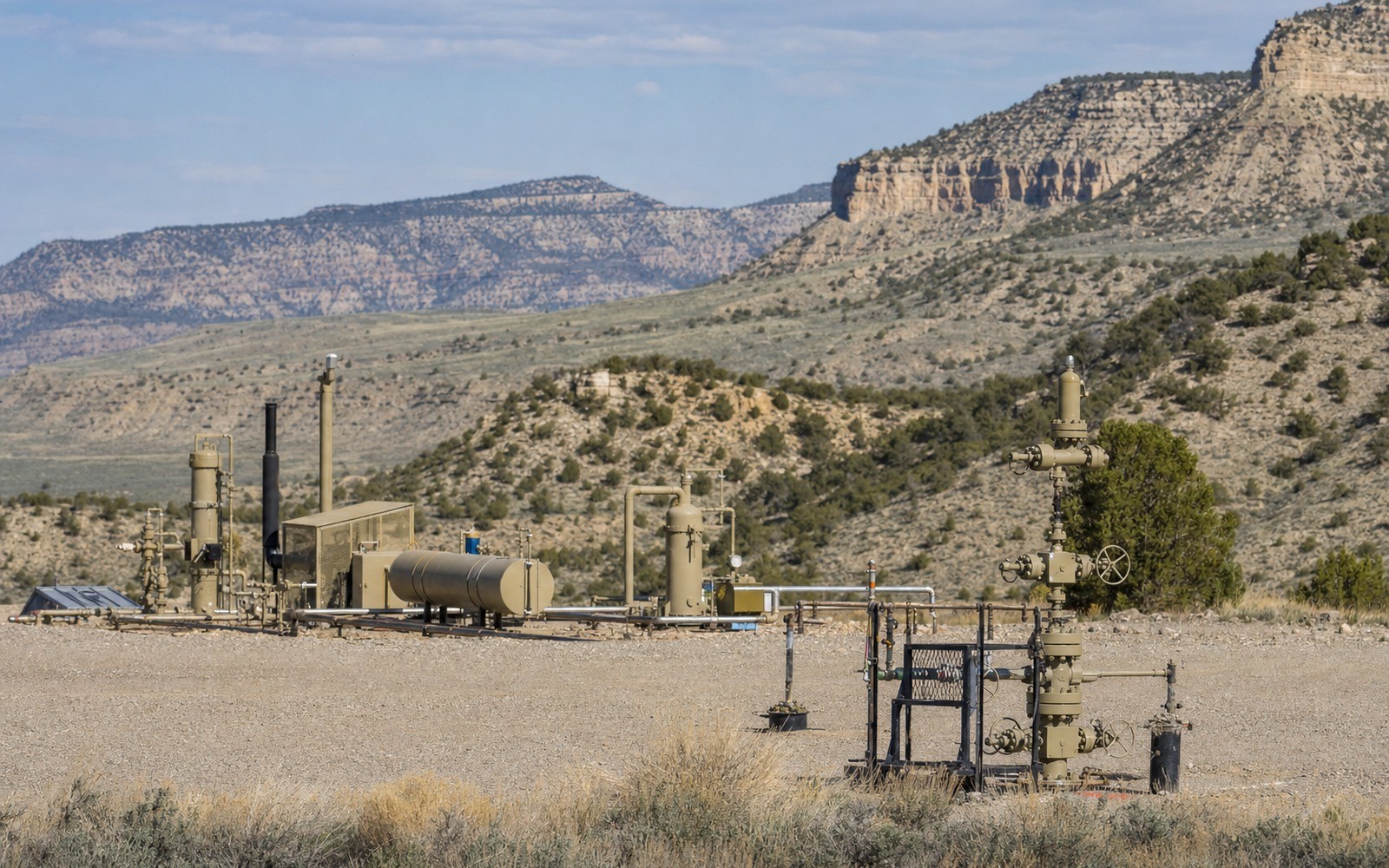
Piceance Basin Mineral Rights

The Piceance is one of the clearer examples we’ve seen of a basin where the gas is still there but the appetite to drill for more of it largely isn't, at least not right now.

Centered on Garfield, Rio Blanco, and Mesa counties in western Colorado, the Piceance Basin was one of the most active tight-gas plays in the Rockies through the 2000s, developed heavily by operators including WPX Energy and later Terra Energy Partners across fields like the Mamm Creek and Rulison areas. Drilling slowed sharply after natural gas prices fell in the mid-2010s, and Colorado's broader post-2019 regulatory shift under SB19-181 added permitting friction that further cooled new development statewide.

The result is a basin with a large legacy production base but far less current drilling activity than its geology alone would suggest, and that gap is exactly what shapes today's buyer conversation.

Buyers here are pricing existing wells, not new drilling

With new development limited, active Piceance mineral buyers are almost entirely focused on existing production, reading your well's current output against its historical decline and pricing accordingly. That's a more conservative, cash-flow-driven approach than you'd see in an actively drilling basin, and it means offers here tend to track current production numbers closely rather than speculative future upside.

Colorado's regulatory environment factors into every offer

Since Colorado tightened permitting, setback, and emissions rules statewide, buyers active anywhere in the state, the Piceance included, have to weigh how that regulatory overlay affects the odds of any future drilling on your unit, above and beyond the geology alone. A buyer who's tracked Colorado's evolving rulemaking will typically have a more grounded view of that risk than one applying assumptions built for a less-regulated state.

Well density from the boom years still matters

Because the Piceance was drilled aggressively during its peak years with tight well spacing in core fields like Mamm Creek, many units already carry a substantial number of producing wellbores. A buyer pricing your interest should be accounting for that full well count, since a densely drilled legacy unit can still carry meaningful aggregate value even without any new drilling on the horizon.

Garfield County's split legacy shows up in every title check

Garfield County carries decades of layered land use, ranching, some coal history, and later intensive gas development, and mineral ownership there frequently traces through several generations of family land transactions before the tight-gas boom of the 2000s made it commercially significant. A buyer working Piceance acreage needs to be comfortable running that full chain down at the courthouse, including confirming whether any prior partial mineral conveyances or old surface use agreements affect your specific tract, rather than assuming a recent deed tells the whole ownership story.

What to look for in a real offer

Ask how many wells currently tie to your net revenue interest and what decline assumption a buyer is applying to that production. Given how limited new Piceance drilling has been, be skeptical of any quote built on speculative future development rather than your unit's actual current and historical production numbers.

Questions Mineral Owners Ask Our Review Desk

Each answer helps identify the asset and its evidence before a forecast or purchase number is allowed to drive the file.

Is new drilling happening in the Piceance Basin right now?

Much less than during the basin's 2000s boom. Lower natural gas prices and Colorado's tighter statewide permitting rules since 2019 have slowed new development significantly, so most current buyer activity centers on existing production rather than new wells.

How does Colorado's oil and gas regulation affect my mineral offer?

It mostly affects how a buyer weighs the odds of future drilling on your unit, since permitting and setback rules have gotten meaningfully tighter statewide. Producing wells with existing history are still valued largely on their own decline curve.

Does my unit having multiple older wells help its value?

It can. Core fields like Mamm Creek were drilled with fairly tight well spacing during the boom years, so a densely drilled legacy unit can carry meaningful combined value across several producing wellbores, even without new drilling planned.

Should I expect a Piceance offer to reflect future drilling potential?

Given how limited new development has been recently, most credible offers here focus on your unit's actual current and historical production rather than speculative future wells. Treat any offer built heavily on future upside with caution.

Does my Garfield County ownership history affect how quickly I can close?

It can. Land here often carries several generations of family transactions, and a buyer needs to confirm the full chain, including any old partial conveyances, before a sale can close cleanly. Ask directly what a buyer has found in your specific title history.

Will drilling ever pick back up in the Piceance Basin?

It's possible if gas prices strengthen meaningfully, but nothing near-term is support. A grounded offer today should reflect current conditions rather than speculation about a future price recovery that may or may not materialize.

Are out-of-state buyers active in the Piceance, or mostly Colorado-based funds?

Both show up, though buyers with real Colorado regulatory experience tend to price more confidently than out-of-state buyers unfamiliar with the state's specific permitting and setback framework.