Antrim Shale Mineral Rights

Of all the plays we get asked about, the Antrim is the one where owners are most often surprised to learn a market for their minerals still exists at all.

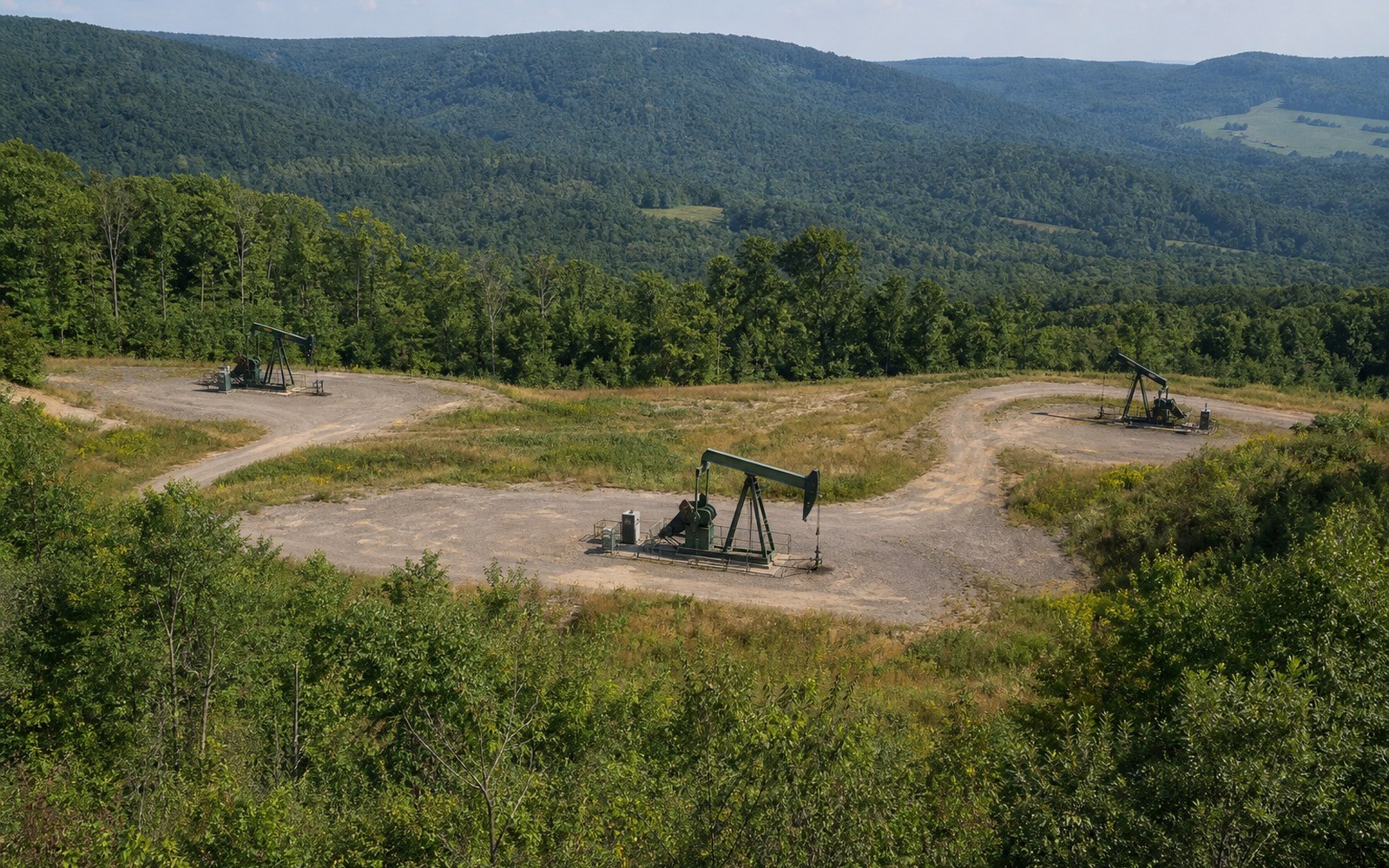
Michigan's Antrim Shale, centered in the northern part of the Lower Peninsula around Otsego, Antrim, and Montmorency counties, was one of the earliest shale gas plays in the country, developed through the 1980s and 1990s using vertical wells producing shallow, biogenic gas, gas generated by bacterial action rather than deep thermal heat. It never went horizontal the way Marcellus or Haynesville acreage did, and most of the drilling here is decades old at this point.

That age is the single biggest thing shaping who wants to buy your interest and what they'll pay for it.

The active buyers are long-tail specialists, not growth funds

Nobody is bidding on Antrim minerals expecting new drilling. The buyers who show interest here are typically small funds and individual investors who specifically look for long-lived, low-decline legacy gas production, because biogenic Antrim wells, once past their early years, tend to flatten into a very gradual decline that can run for decades. That's a genuine niche strategy, and it means the buyer pool is thin but not zero. Don't expect a bidding war, but don't assume nobody wants what you have either.

Well count on your unit matters more than acreage size

Because Antrim spacing units were often developed with multiple shallow vertical wells per unit rather than one long lateral, your royalty interest may span several producing wellbores rather than a single well. A buyer pricing your interest should be pulling production history on every well tied to your interest, beyond only the most visible one, since a unit with four modest wells can carry more aggregate value than a unit with one stronger well elsewhere in the county.

Free gas clauses show up more often here than elsewhere

Some older Antrim-area leases, and some surface owner agreements tied to it, include a free gas clause letting the landowner tap a small volume of gas for household use. If your deed or lease history includes anything like that, it can complicate how a buyer structures the purchase, and it's worth flagging early rather than letting it surface during title review.

Michigan title records reward patience

Antrim development stretches back to the 1980s in some counties, and courthouse records from that era weren't always digitized promptly, which means a thorough title search on older Antrim acreage sometimes involves physically reviewing older bound volumes at the county register of deeds rather than a quick online search. That's not a red flag on your ownership, it's just how record-keeping worked in northern Michigan counties decades ago, and a buyer familiar with those local archives will generally move through it faster than one expecting everything to be indexed digitally.

Ownership here also occasionally traces through timber or agricultural land transactions from earlier in the twentieth century, where mineral rights were severed as an afterthought to a land sale rather than the primary transaction. Tracing that chain accurately sometimes takes a second look, and it's worth asking a buyer directly whether they've actually pulled the full deed history or are working from a summary.

What a fair offer here actually looks like

Ask a buyer how many wells they've identified on your specific spacing unit and what decline curve they're applying to shallow biogenic gas, which behaves differently than deep shale gas. A quote that treats your Antrim interest like generic shale gas, without acknowledging the shallower, flatter decline profile that makes this play attractive to long-tail buyers in the first place, is probably underpriced.

Questions Mineral Owners Ask Our Review Desk

Each answer helps identify the asset and its evidence before a forecast or purchase number is allowed to drive the file.

Is anyone still buying Antrim Shale mineral rights?

Yes, though the pool is small. Specialized funds and individual investors who target long-lived, low-decline legacy gas production make up most of the active buyers, rather than the large growth-focused aggregators active in newer shale plays.

Why does biogenic gas matter for how my minerals are priced?

Biogenic Antrim gas typically declines more gradually once a well matures than deep thermal shale gas does, which means the remaining production can carry real value over a long stretch even though individual well rates look modest.

My unit has several older wells on it, does that help or hurt value?

It generally helps, as long as a buyer actually pulls history on every well tied to your interest. A unit with multiple modest, steady-producing wells can add up to more aggregate value than a single stronger well counted alone.

What if my lease or deed includes an old free gas clause?

Flag it early. It's not disqualifying, but it can affect how a buyer structures the purchase, and it's better addressed upfront than discovered midway through title review.

Should I expect a Michigan title search to take longer than in a newer play?

Often yes, particularly in counties where older records haven't been fully digitized. Building in extra time for a courthouse-level review is realistic, and a buyer familiar with northern Michigan recording practices will usually navigate it more efficiently than one encountering it for the first time.