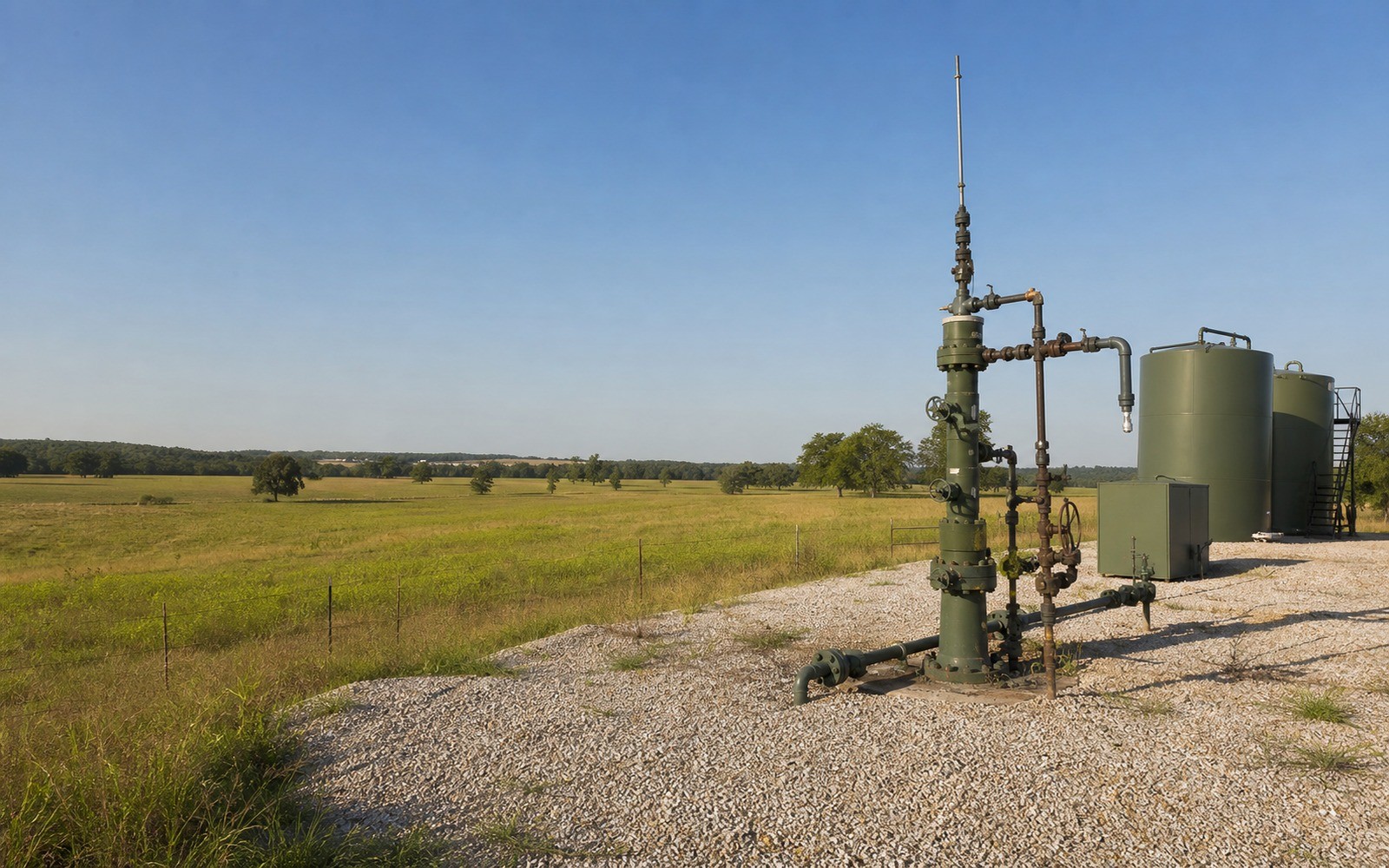
Smackover Formation Mineral Rights

The Smackover is the rare formation we’ve watched attract a completely new type of buyer in just the last few years, and it isn't an oil company.

The Smackover Formation, a Jurassic-age limestone running across southern Arkansas and northern Louisiana, has produced oil since the 1920s, making it one of the older continuously worked oil formations in the South. Most of what's active today is mature, long-declining production from fields developed decades ago around towns like El Dorado and Smackover, Arkansas, and Homer, Louisiana. That alone would make this a fairly quiet legacy oil market.

What's changed the conversation recently is that Smackover brines carry meaningful bromine and, in parts of southern Arkansas, lithium concentrations, drawing an entirely new category of buyer interested in the produced water itself rather than the oil.

Traditional buyers price this as mature, declining oil

For the oil and gas mineral interest itself, buyers here are largely pricing decades-old production on a long, well-established decline curve, similar to how any mature legacy oil play gets valued. Expect a more conservative, cash-flow-based number than in an actively drilling shale play, since there's little undeveloped upside left in most of the conventional Smackover trend.

Lithium and bromine interest has added a genuinely new buyer type

Companies including Standard Lithium and Albemarle, an established bromine producer with long-standing Smackover brine operations, have been actively pursuing lithium extraction from Smackover brines in southern Arkansas, particularly around the Smackover town area and the broader El Dorado field. This has created interest in brine and produced-water rights that's distinct from, and sometimes contractually separate from, traditional oil and gas mineral rights. If your deed language covers 'all minerals' broadly, it's worth understanding whether that includes brine constituents like lithium and bromine or whether those rights sit separately.

Deed language matters more here than in almost any other basin

Because lithium extraction from oilfield brine is a relatively new commercial activity, older Smackover-area deeds were written decades before anyone was pricing lithium separately from oil, and how courts and companies interpret whether a broad 'oil, gas, and other minerals' grant includes brine minerals is still an evolving legal question in Arkansas specifically. A buyer or company approaching you about lithium or brine rights should be able to explain clearly how they read your specific deed language, and it's worth a second opinion before signing anything separate from a standard oil and gas mineral sale.

Louisiana and Arkansas treat old mineral rights differently

If your Smackover interest sits on the Louisiana side of the formation, remember that Louisiana mineral law includes prescription, meaning an unused mineral servitude can revert to the surface owner after a set period of nonuse, a concept that doesn't exist under Arkansas's mineral law. A buyer working both states needs to understand that distinction clearly, since it affects how title is confirmed and whether an older, seemingly dormant interest is still legally valid to sell.

What to ask before selling any Smackover interest

Clarify upfront whether an offer covers your traditional oil and gas interest, brine and lithium rights, or both, since these can be priced and sold separately. If a buyer wants to combine them into one transaction, ask for a clear breakdown of how each component is valued rather than a single bundled number.

Questions Mineral Owners Ask Our Review Desk

Each answer helps identify the asset and its evidence before a forecast or purchase number is allowed to drive the file.

Is the Smackover still producing much oil today?

Yes, but as a mature, long-declining legacy play rather than an area seeing significant new oil drilling. Most current oil and gas buyer activity focuses on pricing existing production against decades of established decline history.

What's the lithium interest in the Smackover about?

Smackover brines in parts of southern Arkansas carry meaningful lithium and bromine concentrations, and companies including Standard Lithium and established bromine producer Albemarle have been actively developing extraction from that produced water, creating a new category of interest separate from traditional oil and gas value.

Do I automatically own lithium rights if I own oil and gas mineral rights here?

Not necessarily. Whether an older 'oil, gas, and other minerals' deed includes brine constituents like lithium is still an evolving legal question in Arkansas, so it's worth getting a specific read on your deed language rather than assuming it's automatically included.

Should I sell my oil and gas rights and my potential lithium rights together?

Not without understanding how each is being valued. These can be distinct, separately priced interests, so ask any buyer for a clear breakdown rather than accepting one bundled number covering both.

Does it matter whether my Smackover interest is in Louisiana or Arkansas?

Yes. Louisiana's prescription rules can affect whether a long-unused mineral servitude is still legally valid, a concept that doesn't exist in Arkansas. A buyer needs to confirm which state's rules apply before treating an older interest as automatically sellable.

Is lithium extraction from Smackover brine actually happening yet, or still speculative?

Active development is underway in parts of southern Arkansas, though it remains an emerging industry rather than a fully mature market. That stage matters when weighing how much value, if any, a buyer should be attaching to brine rights today.