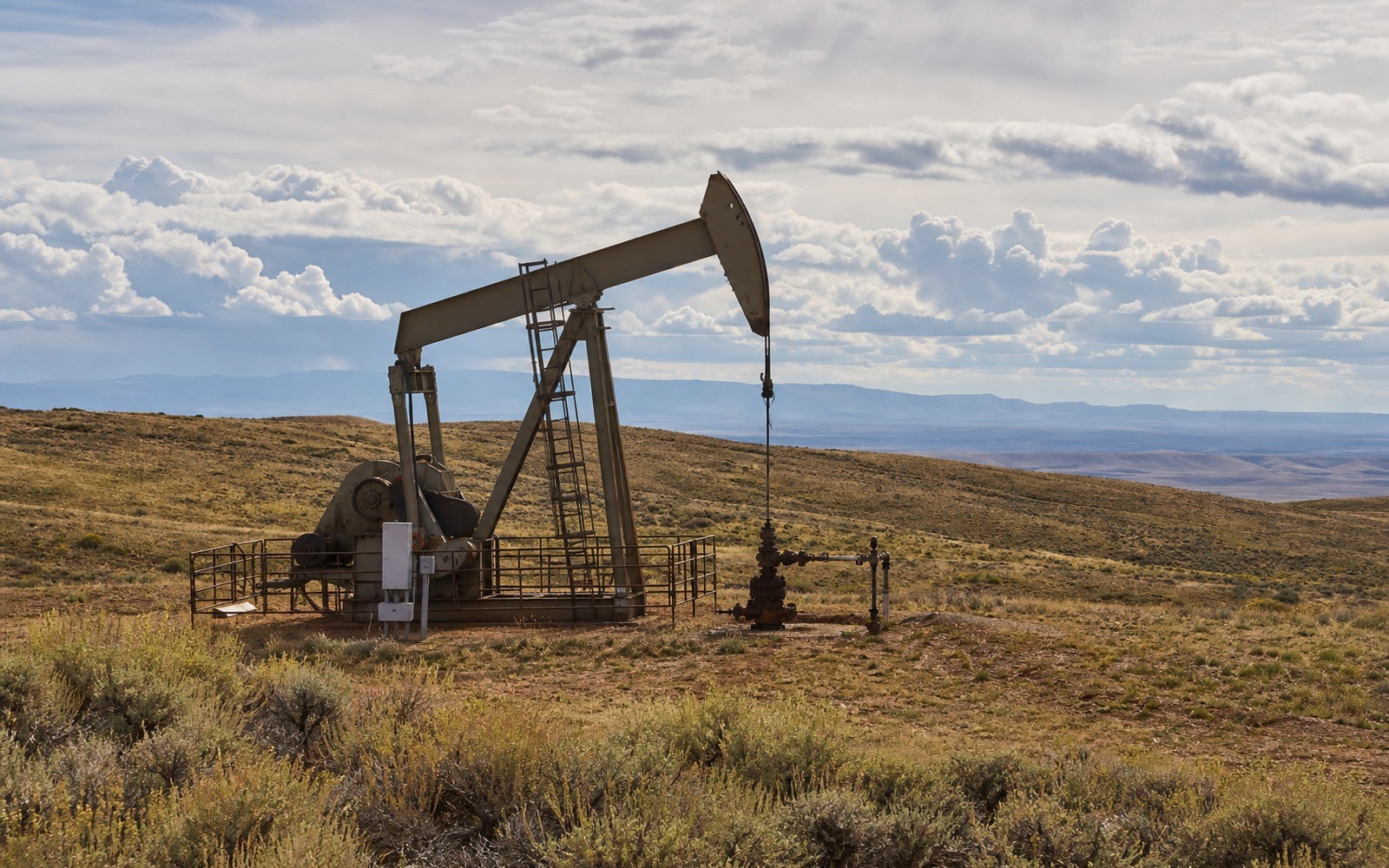
Green River Basin Mineral Rights

There's a certain kind of quiet confidence we only see in buyers who've spent real time underwriting the Green River Basin, because this play punishes anyone guessing at depth and pressure.

Southwestern Wyoming's Green River Basin, covering Sublette, Sweetwater, and Lincoln counties among others, is tight-gas country, deep, high-pressure formations like the Lance and Mesaverde produced through the Jonah Field and Pinedale Anticline, two of the more prolific tight-gas fields in the country when they were developed through the 2000s and 2010s. Wells here run deep, drilling costs run high, and the basin has always attracted a narrower, more capital-intensive operator base than shallower plays.

That combination of depth and concentration shapes a buyer market that's smaller in headcount but generally more sophisticated in how it prices.

A handful of large operators dominate, and buyers track them closely

Jonah Energy and a small number of other large operators control most current development in the basin's core fields, which means a serious buyer's first question is usually which operator holds your unit and what their current development pace looks like there. Because these wells are expensive to drill, operators tend to be disciplined about where they deploy capital, so a unit inside an operator's current focus area carries different upside than one in a legacy field with no near-term drilling planned.

Sublette County core acreage carries a real premium

Within the broader basin, Sublette County specifically, home to both the Jonah Field and much of the Pinedale Anticline, has consistently drawn the most concentrated development and the strongest buyer interest, since that's where operators have the longest track record of consistent well results. Acreage in Sweetwater or Lincoln County outside those two core fields can still hold real value, but it's typically priced with more caution given a thinner, less-tested development record. Knowing exactly where your specific tract sits relative to Sublette County's core fields is one of the more useful pieces of context you can bring to a conversation with a buyer.

Depth drives both cost and decline behavior

Green River wells often run well over 10,000 feet, and that depth affects more than drilling cost, it also shapes how the well declines and how long it stays economic. Tight-gas wells here tend to have a long, gradual decline once past the initial flush production, which a buyer needs to model correctly rather than applying a shale-style decline curve that would understate the well's remaining life.

Natural gas price sensitivity runs high

This is overwhelmingly a gas basin, and because so much of the value sits in future production rather than immediate flush volumes, offers here can move noticeably with the broader gas price outlook, more so than in an oil-weighted basin where near-term cash flow dominates the math. A buyer's price deck assumptions matter more here than almost anywhere else, worth asking about directly.

What a credible offer accounts for

Expect a real buyer to reference which specific field, Jonah, Pinedale, or another part of the basin, your interest sits in, current operator activity there, and their gas price assumptions. A generic Wyoming quote that doesn't distinguish between these fields is not grounded in the basin's actual geology or its concentrated operator landscape.

Questions Mineral Owners Ask Our Review Desk

Each answer helps identify the asset and its evidence before a forecast or purchase number is allowed to drive the file.

Why does it matter which operator holds my Green River Basin unit?

A small number of large operators, Jonah Energy among them, control most current development, and they're selective about where they deploy capital given how expensive these deep wells are to drill. A unit in an operator's active focus area typically carries different value than one in a legacy field without near-term drilling planned.

Do deep tight-gas wells decline the same way shale wells do?

No, tight-gas wells in this basin tend to have a longer, more gradual decline after initial flush production than typical shale wells, and a buyer needs to model that correctly rather than applying assumptions built for a different kind of rock.

Why do offers here seem to move more with gas prices than I expected?

The Green River is overwhelmingly a gas play, and a meaningful share of value sits in future production rather than immediate cash flow, so the gas price deck a buyer assumes has a bigger effect on the offer than it would in an oil-weighted basin.

Is Jonah Field different from Pinedale Anticline for valuation purposes?

Yes, they're distinct fields with their own development history and current operator activity, and a credible offer should specify which field your interest actually sits in rather than quoting a flat basin-wide number.

Does it matter whether my tract sits in Sublette County versus elsewhere in the basin?

Yes. Sublette County holds the basin's most consistently developed acreage, including Jonah Field and much of Pinedale Anticline, and tracts there tend to carry a stronger, better-documented development record than acreage in surrounding counties outside the core fields.

Why do drilling costs matter so much to how my minerals get priced here?

Because Green River wells run unusually deep, operators are more selective about where they commit capital than in shallower basins, which directly shapes which units see continued development and which sit dormant, a distinction a careful buyer accounts for.