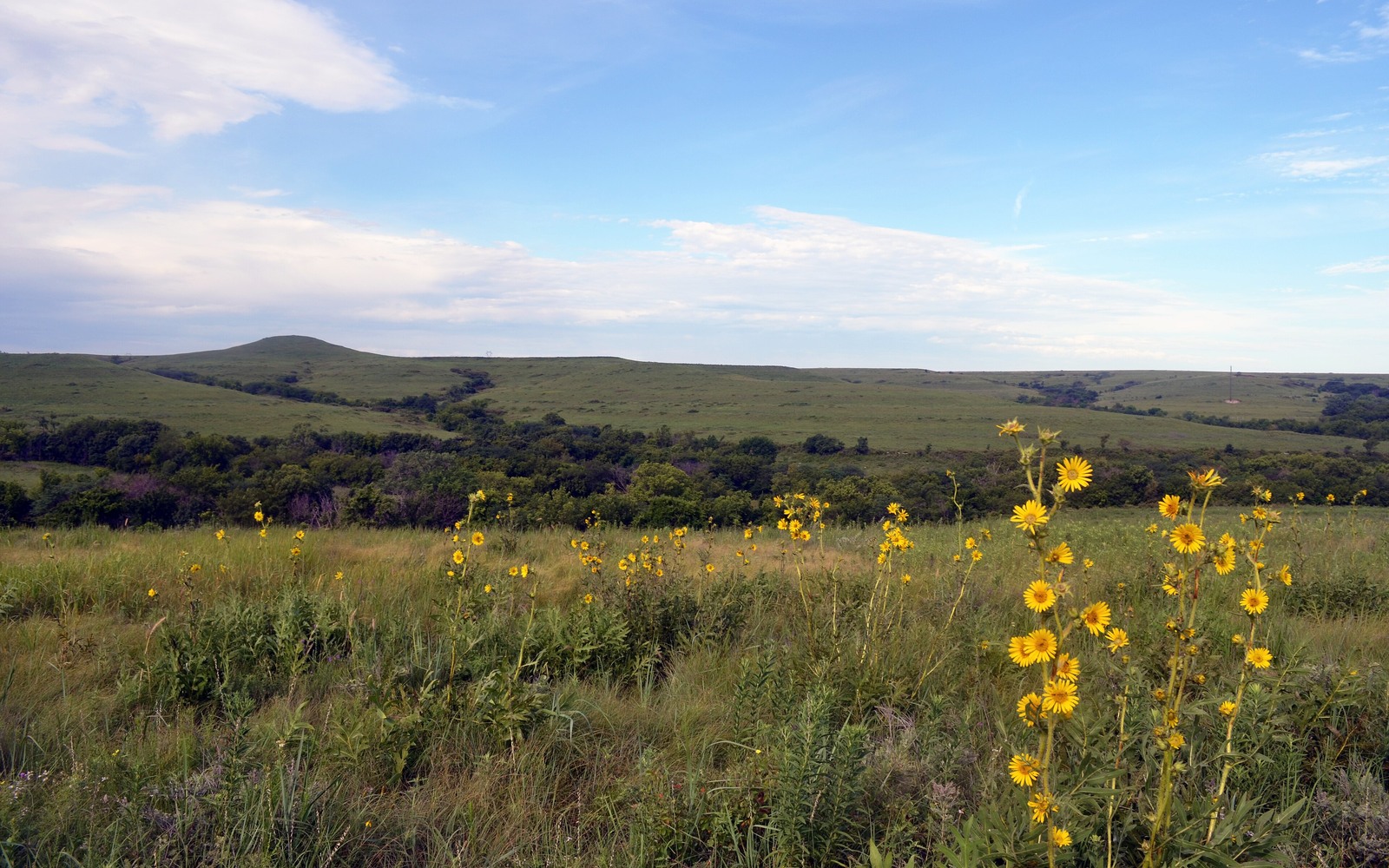
Local view for Sell Mineral Rights in Kansas

Sell Mineral Rights in Kansas

Kansas holds one of the fastest busts in recent shale history and one of the steadiest gas fields in the country, sometimes in counties not far apart. That contrast runs straight through how buyers price an interest here.

South-central Kansas, Barber, Comanche, and Harper counties among others, was ground zero for the Mississippian Lime play, a horizontal drilling rush led heavily by SandRidge Energy that took off around 2011 and largely collapsed by 2015-16 as results underdelivered against expectations. Southwest Kansas holds a different story entirely: the Hugoton gas field, one of the largest and longest-producing gas fields in the country, still delivering steady, low-decline volumes generations after it was first developed.

If you own mineral rights in Kansas, which of these two stories your acreage belongs to matters enormously to how a buyer approaches you.

Mississippian Lime: pricing a play that underdelivered

Owners who leased or watched neighbors lease during the Mississippian Lime rush often remember bonus-driven excitement that never fully translated into matching production. Buyers looking at this acreage today are pricing current, often disappointing, well performance rather than the play's earlier promise. Be wary of any offer that references the play's 2012-era reputation instead of your actual well's recent statements, since that reputation and the reality diverged a long time ago.

This is also a market where flippers can move quickly on owners who haven't updated their expectations since the boom years. If a buyer's number sounds low against what you remember hearing a decade ago, ask for their reasoning tied to your well's current volumes specifically.

Hugoton: the opposite kind of buyer conversation

The Hugoton field's defining trait is longevity. Wells here have produced for decades at gradually declining but remarkably persistent rates, and smaller independents like Merit Energy continue operating substantial acreage in the field. Buyers interested in Hugoton interests are almost always income-focused, valuing the interest against a long, dependable production tail rather than any near-term drilling story, since new drilling in a field this mature is uncommon.

Knowing which field your interest sits in

Your division order or lease will name the formation, and it's worth confirming directly rather than assuming from county alone, since Kansas has multiple productive trends layered across different parts of the state. A buyer who names your formation and unit specifically before quoting a number is doing real work. One who quotes off county alone in a state this geologically varied is not.

What each type of owner should watch for

Mississippian Lime owners should discount any pitch leaning on the play's early reputation and insist on current data. Hugoton owners should recognize that a low but stable royalty history is actually the selling point for an income buyer, not a weakness, and price accordingly rather than assuming an old field means an undervalued one.

Why horizontal drilling underperformed in the Mississippian Lime

The play's core problem was geologic heterogeneity, the Mississippian Lime's productivity varies more sharply across short distances than operators initially modeled, which meant wells that looked comparable on paper produced wildly different results once drilled. That unpredictability is a big part of why SandRidge and other early movers pulled back sharply after 2014, and it's also why a buyer evaluating your specific well today weighs actual results far more heavily than nearby type curves that may not translate directly to your unit.

Questions Mineral Owners Ask Our Review Desk

Each answer helps identify the asset and its evidence before a forecast or purchase number is allowed to drive the file.

Why did offers on my Mississippian Lime interest drop after the boom years?

The play's actual well performance came in well below the projections that drove the 2011-2014 rush, so buyers now price against current, more modest production rather than the earlier hype.

Is the Hugoton field still worth owning an interest in?

Many wells there have produced dependably for decades, which appeals to income-focused buyers even without new drilling activity, so a low but stable royalty history isn't automatically a bad sign.

How do I find out which formation my Kansas interest is in?

Check your division order or original lease for the named formation, since Kansas has several distinct productive trends and county alone isn't always a reliable indicator. A landman or title company can confirm this from courthouse and state commission records if your own paperwork is unclear.

Are there still active buyers for Mississippian Lime interests?

Yes, though pricing reflects the play's actual post-boom performance rather than its earlier reputation, so expect more conservative numbers than you might remember from a decade ago.

Does Kansas have any activity outside the Mississippian Lime and Hugoton areas?

Yes, scattered legacy conventional production exists across other parts of the state, generally small, old fields with thin buyer interest similar to Hugoton's income profile but without that field's scale or long production track record.

What documentation matters most when selling a Mississippian Lime interest today?

Your most recent royalty statements, showing actual current volumes rather than any figures tied to original leasing projections. Buyers pricing this play now want to see where production actually settled, not what was originally forecast.