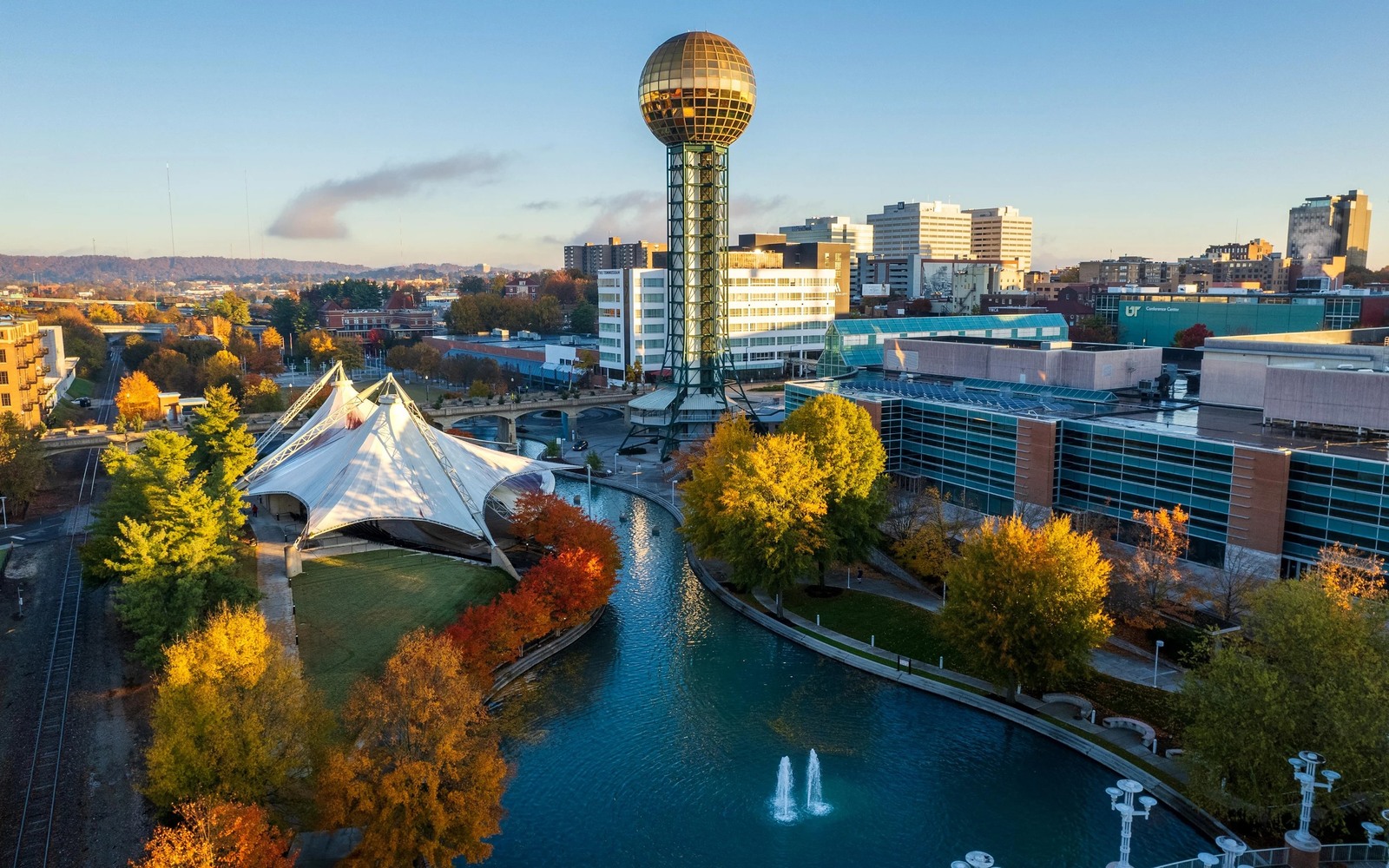
Local view for Sell Mineral Rights in Tennessee

Sell Mineral Rights in Tennessee

Tennessee's oil and gas history is real, it's just small, and the buyer pool working this state today is a fraction the size of anything you'd find in Ohio or West Virginia.

We’ve fielded a fair number of calls from Overton and Fentress county owners who assumed their minerals would attract the same national buyers chasing the Marcellus a few states over. They usually don't, and it's worth understanding why before you decide what a fair offer even looks like here. Tennessee's production has always been modest, mostly older conventional wells and a shale play that never turned into the boom some expected.

The Chattanooga Shale Never Turned Into a Boom

The Chattanooga shale generated real interest and some horizontal drilling activity in the late 2000s and early 2010s, but it never developed into the kind of sustained, dense drilling program that transformed counties in Pennsylvania or North Dakota. A handful of operators drilled test wells and some production followed, but large-scale development mostly didn't materialize, and that history shapes how buyers think about the play today.

Overton, Fentress, and Scott County Still Have Legacy Wells

These counties carry the bulk of Tennessee's producing history, mostly older, lower-volume wells that have been on the books for years. Royalty checks tend to be small and steady rather than dramatic, and buyers here price accordingly, looking at a long, established decline curve rather than betting on new drilling.

Most Buyers Here Are Regional, Not National

You're unlikely to get a call from a large, PE-backed fund chasing Tennessee interests the way they chase Permian or Bakken acreage. The buyers who do work this market tend to be regional operators or smaller accumulators already familiar with the specific counties and their production history, which can actually work in your favor since they're not guessing at value from a spreadsheet built for a different state entirely.

That smaller pool also means fewer competing offers, so it's worth taking your time and asking more than one buyer for a number rather than accepting the first call that comes in.

What Determines Value When There's No Recent Drilling Nearby

Without fresh permits to point to, value in Tennessee comes down almost entirely to your current royalty history, how long the producing well has been on line, and whether the interest is leased or open. A buyer who's done real diligence will ask for your last several statements before quoting anything, since that history is the clearest signal available in a state with so little new drilling.

Checking County Records in a Small Market

Overton, Fentress, and Scott County clerks all keep public deed and lease records, and pulling your own file is worth the drive or the phone call before you take an offer at face value, especially given how few buyers are actively working this market to compare against. Tennessee's Oil and Gas Board also keeps well and production records by county, and while the filings are smaller and less frequent than what you'd see in a busy shale state, they're still the clearest public confirmation of what's producing near your tract. A short call to the county clerk usually settles most ownership questions faster than most owners expect.

Because the buyer pool here is thin, a little extra homework goes further than it would in a state fielding dozens of active buyers. There's simply less competing information available to sanity-check a number against, so building your own file matters more, and asking a second regional buyer for their read on the same statements is a reasonable, low-cost step before you commit to anything. Nobody should feel rushed simply because the market itself is smaller than what a neighboring state offers.

Questions Mineral Owners Ask Our Review Desk

Each answer helps identify the asset and its evidence before a forecast or purchase number is allowed to drive the file.

Is there still a real buyer market for Tennessee mineral rights?

A modest one, mostly regional buyers familiar with Overton, Fentress, and Scott counties rather than national funds, so expect a smaller, slower-moving process than in states with active shale drilling, and be patient with the timeline.

Why didn't the Chattanooga shale develop like the Marcellus?

Early test wells didn't lead to the sustained, large-scale drilling programs seen elsewhere, and large-scale development mostly stalled, leaving Tennessee's production concentrated in older conventional wells in Overton, Fentress, and Scott counties.

How is my interest valued without any recent drilling nearby?

Buyers rely heavily on your current royalty statement history and how long the well has produced, since there's little fresh permit activity to price against instead, so pulling several consecutive statements together before that first call is worth the extra effort it takes to gather them.

Should I get more than one offer in Tennessee?

Yes. The buyer pool is small, which can mean less price discovery than in busier states, so a second opinion is worth the extra phone call, and a regional buyer familiar with your specific county will usually give a more grounded answer than a national mailer would.